
Reviewed · GORI & UPLISTSIKHE TOURS
Soviet tour of Georgia – Gori, Tskaltubo, Chiatura, Enguri Dam.
Georgia’s Soviet story is written in concrete, steel, and empty corridors. This private tour links Tbilisi and Rustavi with Stalin’s Gori, the cable-car town of Chiatura, the abandoned sanatoriums of Tskaltubo, and the huge Enguri hydroelectric dam. It is an unusual route, far removed from Georgia’s usual wine-and-church circuit.
I especially like the chance to see several different sides of Soviet building design in one trip, from city districts to mining infrastructure and once-grand spa hotels. I also like the private format: your group travels with a driver, and the pace or choice of Tskaltubo buildings can be adjusted on site. The main caution is important: the supplied details mix a four-day Soviet itinerary with a separate six-day, five-night Svaneti tour, so confirm exactly what the $850 price covers before paying.
In This Review
- Key points to know before booking
- What this Soviet Georgia tour is really about
- Day 1: Soviet Tbilisi and Rustavi in six hours
- Day 2: Stalin in Gori, then Chiatura’s industrial past
- Sleeping in a former Tskaltubo sanatorium
- Day 3: From Tskaltubo to Zugdidi and the Enguri Dam
- Day 4: Choosing among Tskaltubo’s abandoned buildings
- The guide question: driver included, English guide extra
- Is $850 a good value?
- Who should book this experience?
- Should you book the Soviet Georgia route?
- FAQ
- Where does the Soviet Georgia tour start and end?
- How long is the Soviet tour?
- Is an English-speaking guide included?
- Which places are included in the Soviet itinerary?
- Are meals and entrance fees included?
- What is the cancellation policy?
Key points to know before booking
- Stalin’s Gori museum gives the second day a strong historical focus, with the museum admission included.
- Chiatura offers some of Georgia’s most striking Soviet industrial scenery, but the day is long, lasting about 12 hours.
- Tskaltubo’s abandoned sanatoriums are the heart of the architectural experience, with the exact buildings chosen during the visit.
- The Enguri Dam adds major Soviet engineering to a route otherwise centered on buildings and towns.
- Driver Zviad has been identified as the driver-guide contact in the supplied details, but an English-speaking guide costs extra.
- The published program needs clarification, since it lists both a four-day Soviet tour and a six-day Svaneti trip with flights.
What this Soviet Georgia tour is really about
This is not a standard sightseeing trip. You are not simply moving from one famous monument to another. Instead, you are following the physical remains of a political and industrial age that shaped modern Georgia.
The route covers several types of Soviet sites. Tbilisi and Rustavi provide urban examples, including Soviet districts, apartment buildings, and brutalist structures. Gori adds the personal story of Joseph Stalin, who was born in Georgia. Chiatura brings you into a former mining town, while Tskaltubo shows how the Soviet state used grand spa resorts for health retreats and official holidays.
The Enguri hydroelectric station changes the mood again. Here, the focus is not on decay but on the scale of Soviet infrastructure. The dam is one of the major engineering sights on the route, with a high dome-shaped structure that gives the visit a strong sense of size and purpose.
I would choose this tour for its variety. A shorter outing to one abandoned sanatorium can be memorable, but this route lets you compare different Soviet ambitions: urban planning, heavy industry, medical tourism, personal cult, and energy production.
More gori & uplistsikhe tours in Tbilisi:
- Day Trip to Mtskheta Gori and Uplistsikhe
★ 5.0 · 1,801 reviews - Mtskheta-Gori-Uplistsikhe
★ 5.0 · 112 reviews - Mtskheta, Jvari, gori, uflistsikhe, history and panorama (group tours)
★ 4.5 · 107 reviews
Day 1: Soviet Tbilisi and Rustavi in six hours
The first day begins at 8:00 a.m. from Rose Revolution Square in Tbilisi. You spend about six hours looking at Soviet buildings in Tbilisi and Rustavi, with transport arranged as part of the private experience.
Tbilisi is a useful starting point because the city’s Soviet architecture is mixed into a much older urban setting. You may see apartment blocks, public buildings, monuments, and large concrete forms alongside older streets and historic neighborhoods. That contrast is part of the appeal. Soviet Georgia was not built on an empty page, and the city shows the meeting of imperial, medieval, modern, and Soviet eras.
Rustavi gives you a different setting. It was developed as an industrial city, so the scale and planning can feel more deliberate and functional than in central Tbilisi. You should expect the first day to be more about viewing and interpretation than entering a long list of attractions. The supplied information does not name every building, so ask in advance which sites are planned.
This is also where a guide would help most. The driver can take you between districts, but an English-speaking guide is not included. If you want political background, architectural explanations, or help understanding how Soviet planning affected each city, request guiding service before departure.
The private format is useful here. Your group can spend more time at a building that interests you and less time at one that does not. Still, the exact schedule may depend on traffic, access, and the time needed to reach Rustavi.
Day 2: Stalin in Gori, then Chiatura’s industrial past
Day two is the longest scheduled day, at about 12 hours. It includes the Stalin Museum in Gori, a trip to Chiatura, and an overnight stay in Tskaltubo.
The Stalin Museum is the clearest historical stop. The museum presents the life and public image of the Soviet leader, and admission is included. The experience is likely to interest anyone who wants to understand how Stalin’s Georgian origins are presented within Georgia.
I would approach this stop with some care. A museum devoted to a dictator can feel both informative and heavily shaped by its subject. The value comes from seeing how Stalin was remembered and displayed, not from treating the museum as a complete account of Soviet history. If you want a fuller discussion, arrange the English-speaking guide.
Gori itself is also useful as part of the route because it connects a Georgian town with one of the most powerful figures of the twentieth century. The supplied information does not promise a visit to every Gori sight, so do not assume that the museum admission includes other attractions.
After Gori, the route continues to Chiatura. This former mining town is one of the strongest reasons to choose the tour. Its setting and industrial identity offer a close look at the working side of Soviet Georgia, rather than the ceremonial side seen in monuments and official buildings.
Chiatura is associated with Soviet mining infrastructure and dramatic transport systems. The supplied information does not guarantee access to every cable car, building, or industrial site, so ask what you will see from inside and what will be viewed from the road. Conditions may also affect which locations are practical.
The drawback is the length of the day. Twelve hours on the road, with several major stops, can be tiring. If you prefer slow visits and long photo sessions, this day may feel compressed. If your goal is to cover a wide area and see several major examples in one journey, the long schedule makes sense.
Sleeping in a former Tskaltubo sanatorium
The overnight stay in Tskaltubo is one of the tour’s most unusual features. You stay in a former Soviet sanatorium built for the navy, turning the accommodation into part of the historical experience.
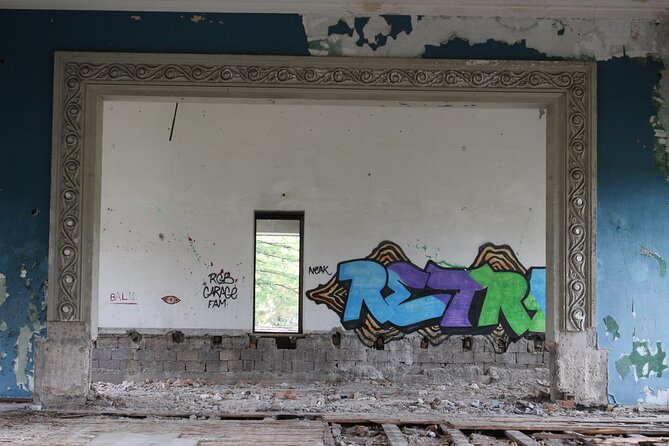
Tskaltubo was known as a spa town, and its Soviet sanatoriums were built for rest, treatment, and official recreation. Many of these large buildings now show the effects of abandonment, with nature and time taking over spaces that were once carefully managed.
Sleeping in one of the former sanatorium buildings gives you more than a quick daytime look. You get a sense of the scale of these complexes and the difference between their former purpose and their present condition. I would not choose this accommodation for polished comfort. I would choose it for atmosphere and for the chance to spend a night inside a building connected to the story.
The supplied information also refers to Hotel Old House in Mestia or an equivalent property, with dinner and breakfast, but that appears to belong to the separate Svaneti program rather than the Soviet route. This is another reason to ask the operator to confirm your lodging before booking. The Tskaltubo sanatorium stay and the Mestia hotel cannot be treated as the same accommodation plan.
More katskhi pillar tours in Tbilisi:
- Soviet past – Private day tour to Chiatura, Katskhi pillar and Chronicles
★ 5.0 · 29 reviews - Soviet Story – Private day trip to Chiatura, Stalin’s museum and Katskhi pillar
★ 4.5 · 15 reviews - Chiatura and Katskhi Pillar One Day Urbex Tour
★ 5.0 · 14 reviews - Chiatura. Soviet Past in the present. + Katskhi pillar
★ 5.0 · 9 reviews
Day 3: From Tskaltubo to Zugdidi and the Enguri Dam
The third day lasts about six hours and takes you from Tskaltubo toward Zugdidi, with a visit to the Enguri hydropower station.
Enguri is a valuable addition because it shows Soviet power through infrastructure rather than architecture alone. The dam is known for its high dome-shaped design and impressive scale. Even if you are not an engineering enthusiast, the visit gives you a clear idea of how much effort the Soviet system put into controlling water and producing electricity.
This stop also broadens the tour geographically. You are not confined to city blocks or abandoned resorts. The route connects inland towns with the western part of Georgia, giving the trip a stronger sense of the country’s industrial network.
Admission to the Enguri station is included. The information does not specify how much of the facility you can enter, so ask whether the visit involves an interior tour, a viewpoint, or both. That detail matters if the dam is one of your main reasons for booking.
The six-hour schedule is easier than day two, but road time still forms a large part of the experience. You should see this as a touring route rather than a stay in one town. The private vehicle makes the journey practical, especially since the stops are spread across different parts of Georgia.
Day 4: Choosing among Tskaltubo’s abandoned buildings
The final scheduled day gives about four hours to Tskaltubo’s abandoned buildings and sanatoriums. Rather than fixing one short list of sites, the group decides on location during the visit.
That flexibility is a real advantage. Tskaltubo has many abandoned structures, and your interests may differ from those of another group. You might prefer a grand former hotel, a more damaged interior, or a building with strong views and clear architectural details. The exact choice can be made with current conditions in mind.
At the same time, flexibility means you should not expect a guaranteed checklist. The tour description does not identify the names of the sanatoriums or promise access to every building. Ask the driver or operator what is currently safe and accessible. Abandoned properties can have unstable floors, broken glass, open stairwells, and other hazards, so follow local instructions closely.
This is the part of the trip where an architectural guide could add the most value. Without one, you can still appreciate the scale, shapes, and decay of the buildings, but you may miss why the complexes were designed as they were. English-speaking guiding can be organized on request, but it is not part of the basic package.
The four-hour length is sensible. It gives you time for several sites without turning the whole trip into a tiring sequence of empty rooms. It also leaves room for the drive back to Tbilisi, where the activity ends at the original meeting point.
The guide question: driver included, English guide extra
The tour includes a driver throughout the published Soviet route. The supplied information also identifies Zviad in connection with visits to Tbilisi and Gori, so you may wish to ask whether he will be your driver for the full booking.
Do not assume that the driver is an English-speaking historian. The tour specifically says that an English-speaking guide is not included, although one can be arranged on request. That distinction affects the experience.
If you mainly want transport between Soviet sites, the driver may be enough. If you want explanations of Stalin’s legacy, the purpose of Tskaltubo’s sanatoriums, or the politics behind Soviet architecture, pay for the guide. I would make that request at the time of booking, not after arriving in Georgia.
Since this is a private activity, only your group participates. That gives you more control over stops and questions, and it avoids waiting for a larger group. It also means the price is not spread across a public coach full of people.
Is $850 a good value?
The listed price is $850 per person. That is a serious sum, but the value depends on which version of the tour you are actually buying.
For the four-day Soviet route, the price may make sense if it includes private transportation, accommodation, meals, admissions, and a route covering Tbilisi, Rustavi, Gori, Chiatura, Tskaltubo, Zugdidi, and Enguri. A private vehicle over that distance would be difficult to arrange independently, and the itinerary links places that are not easy to combine by public transport.
Included meals are listed as dinner, two breakfasts, and two lunches. Admission is included for the Stalin Museum and Enguri, while Tskaltubo itself has no admission charge listed. The English-speaking guide is extra, so add that cost if interpretation is important to you.
The value becomes harder to judge because the supplied details also describe a six-day, five-night Svaneti tour with flights, hikes near Becho and Chalaadi glacier, Ushguli, horse riding to Qoruldi lakes, airport transfers, and accommodation at Hotel Old House in Mestia or an equivalent. Those are not part of the four-day Soviet itinerary as presented.
Before paying $850, ask for a written confirmation of these points:
- Is the booking for four days or six days?
- Does it include flights to Svaneti?
- Is the Tskaltubo sanatorium stay included?
- Is Hotel Old House in Mestia part of your trip?
- Is the English-speaking guide included or extra?
- Which meals and entrance fees are covered?
If you receive clear answers and the price includes the private vehicle and accommodation, the tour offers a practical way to cover a wide region. If the operator cannot explain the two different programs, wait before booking.
Who should book this experience?
I would recommend this tour to you if you care about twentieth-century history, Soviet architecture, abandoned buildings, industrial sites, or unusual regional travel. It suits photographers, architecture fans, and people who have already seen Georgia’s main churches and old towns.
It is also a good fit if you want a private route rather than a fixed public group. The ability to select Tskaltubo sites on location is useful, and the driver can wait while you explore.
I would be more cautious if you want a relaxed holiday with short drives, polished attractions, and a strong focus on food or nature. The second day is long, the abandoned buildings require care, and the experience depends heavily on your own interest in Soviet history.
The route is not described as a hiking trip. The separate Svaneti program includes hikes, but the Soviet itinerary centers on urban, industrial, and abandoned sites. Confirm which experience you are booking if walking in the mountains is important to you.
You can cancel for a full refund up to 24 hours before the start time. Changes made within 24 hours are not accepted, and poor weather or failure to meet the minimum number of participants can lead to a changed date or refund. Most people can participate, service animals are allowed, and the meeting point is near public transportation.
Should you book the Soviet Georgia route?
Book it if you want Georgia’s Soviet past presented as a connected journey rather than as one isolated museum visit. The combination of Gori, Chiatura, Tskaltubo, and Enguri gives you a strong range of subjects, from Stalin’s public image to abandoned resort architecture and giant industrial engineering.
My advice is simple: confirm the itinerary in writing and add an English-speaking guide if context matters to you. Once the four-day Soviet program is clearly separated from the six-day Svaneti tour, the private transport and unusual stops can make $850 worthwhile for the right kind of visitor.
FAQ
Where does the Soviet Georgia tour start and end?
The tour starts at Rose Revolution Square in Tbilisi at 8:00 a.m. The activity ends back at the same meeting point.
How long is the Soviet tour?
The day-by-day Soviet itinerary covers approximately four days. The supplied tour information also describes a separate six-day, five-night Svaneti program, so confirm the exact duration before booking.
Is an English-speaking guide included?
No. The driver is included, but an English-speaking guide is not included in the base tour. Guiding service can be organized upon request.
Which places are included in the Soviet itinerary?
The route includes Soviet buildings in Tbilisi and Rustavi, the Stalin Museum in Gori, Chiatura, Tskaltubo’s abandoned buildings and sanatoriums, the Enguri hydropower station, and travel toward Zugdidi.
Are meals and entrance fees included?
Dinner, two breakfasts, and two lunches are listed as included. Admission is included for the Stalin Museum and Enguri hydropower station. Tskaltubo has no admission fee listed.
What is the cancellation policy?
You can cancel at least 24 hours before the experience starts for a full refund. Cancellations or changes made less than 24 hours before the start time are not accepted for a refund. Poor weather or failure to meet the minimum number of participants may result in another date or a full refund.
Just added around Tbilisi
- Private Adorable City Tour of Tbilisi★ 5.0 · 3 reviews
- Old tbilisi walking tour & wine tasting★ 5.0 · 9 reviews
- Tbilisi Airport to Gudauri, Bakuriani, Batumi, Tbilisi★ 5.0 · 3 reviews
- Your unique photo session in Tblisi, Georgia★ 3.5 · 4 reviews
- full day Kazbegi-Gudauri-jvari -from Tbilisi★ 5.0 · 6 reviews
- Wine promenade in hospitable Tbilisi★ 5.0 · 17 reviews
- Vardzia. Lake Paravani, Khertvisi & Lomisa castle, Rabati★ 4.5 · 12 reviews
- Wine Tasting Tour in Georgia’s Cradle of Wine★ 5.0 · 12 reviews
Gori & Uplistsikhe Tours, compared.
Mtskheta, Jvari, gori, uflistsikhe, history and panorama (group tours)
Read our review →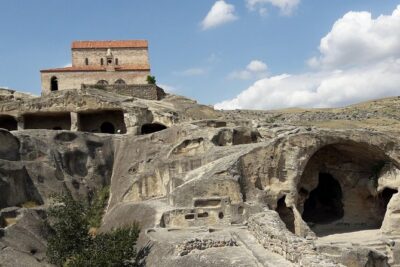
Day tour to Chronicles of Georgia, Gori city, Uplistsikhe cave
Read our review →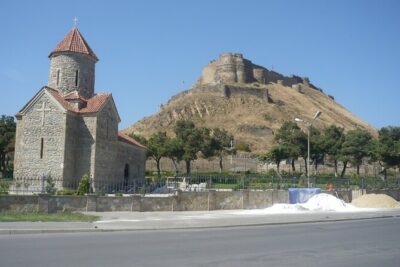
Ancient Georgia Group Tour: Mtskheta,Jvari, Gori, Uplistsikhe
Read our review →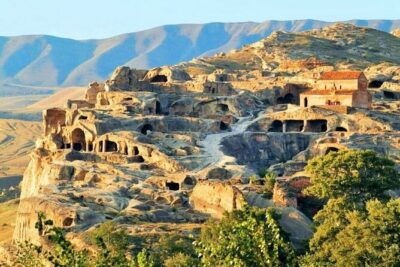
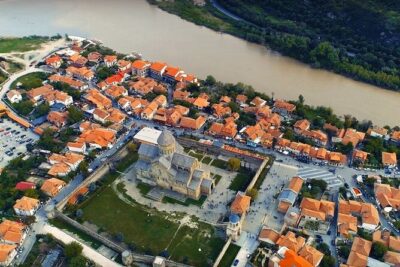
Mtskheta, Gori & Uplistsikhe Private Day Tour from Tbilisi
Read our review →Browse the lists this tour appears in