
Reviewed · COOKING CLASSES
Enjoy a Traditional Georgian Cooking Class and Meal with a Local in Tbilisi
The best part of this Tbilisi experience is not simply learning to fold khinkali or bake khachapuri. It is being welcomed into Tina and Teo’s family home, where cooking becomes a relaxed visit around the kitchen and dining table. You will prepare two or three Georgian dishes, then eat what you made alongside a broader meal from western Georgia.
I like the private format, since you can ask questions and work at your own pace instead of trying to hear a guide over a large group. I also like the connection to Lechkhumi and Samegrelo, the regions where Tina’s parents grew up. The main consideration is price: at $152 per person, this costs more than a standard group cooking class, so the value depends on how much you want the home setting and personal family contact.
In This Review
- Key points to know before booking
- Entering Tina and Teo’s Tbilisi home
- The cooking lesson: two or three Georgian dishes
- Khachapuri and the Georgian table
- Khinkali and careful handwork
- Chakhokhbili and fresh herbs
- From kitchen work to a regional Georgian meal
- A possible market visit before the cooking
- Why the private format affects the value
- Lunch or dinner: choosing the better time
- What to tell Tina and Teo before you arrive
- The family welcome is the main attraction
- Who will enjoy this Tbilisi cooking class?
- Booking, cancellations, and practical limits
- Should you book this Georgian cooking experience?
- FAQ
- Where does the Georgian cooking class take place?
- How long does the experience last?
- Is the class private?
- Can I choose lunch or dinner?
- What dishes might I learn to cook or eat?
- Are drinks included?
- Is hotel pickup included?
Key points to know before booking
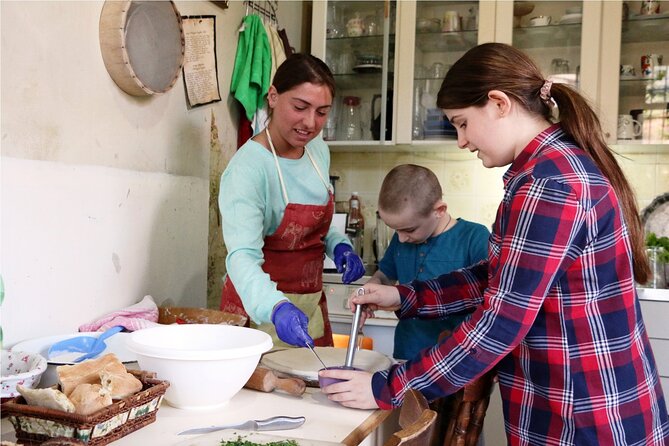
- Cook in a real family kitchen: Tina and Teo welcome you into their home, rather than meeting you in a commercial cooking school.
- Expect two or three dishes: The exact menu changes with the season and may include khachapuri, khinkali, or chakhokhbili.
- Share a full Georgian meal afterward: Your cooking is served with regional dishes, drinks, and sweets at the family dining table.
- Lunch or dinner is available: You can choose the class time that fits your Tbilisi plans.
- It is private and personal: Only your party participates, with group discounts available.
- Plan your own way there: Hotel pickup and drop-off are not included, though the meeting point is near public transportation.
Entering Tina and Teo’s Tbilisi home
This is a home visit first and a cooking lesson second. You are greeted by Tina, her daughter Teo, and possibly other children in the family. Teo lives with her parents and six siblings, so the setting is warm, active, and distinctly domestic rather than polished for tourism.
That difference matters. A cooking school can teach you a recipe, but a family home gives you a better sense of how food fits into daily life. You may see the family’s normal kitchen rhythm, hear stories about the food, and learn how dishes from western Georgia reach the table.
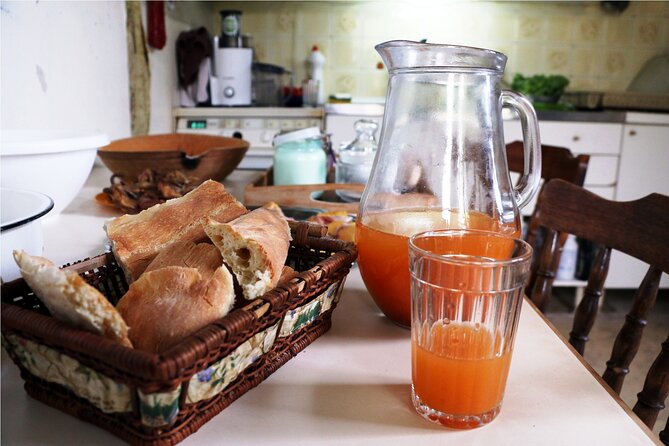
The welcome includes smiles, conversation, and something to drink. Local alcohol, non-alcoholic beverages, and one or two glasses of alcohol are included. The drinks can include wine or chacha, and cheese may also be served before cooking begins.
You should be ready for a cozy atmosphere. Tina’s household is large, and other family members may be around. That is part of the appeal, but it also means this is not a silent, highly controlled classroom. If you prefer a formal lesson with exact measurements and a carefully timed demonstration, this may feel loose. If you enjoy meeting people in their own surroundings, the informality is a major benefit.
A few more Tbilisi trips to weigh up
- Small-Group Khinkali and Khachapuri Cooking Class in Tbilisi
★ 4.5 · 224 reviews - Nana’s Kitchen – traditional Georgian cooking class at real Georgian family home
★ 5.0 · 37 reviews - Join a Local for a Market Tour, Cooking Class and Meal in her Tbilisi Home
★ 5.0 · 15 reviews
The cooking lesson: two or three Georgian dishes
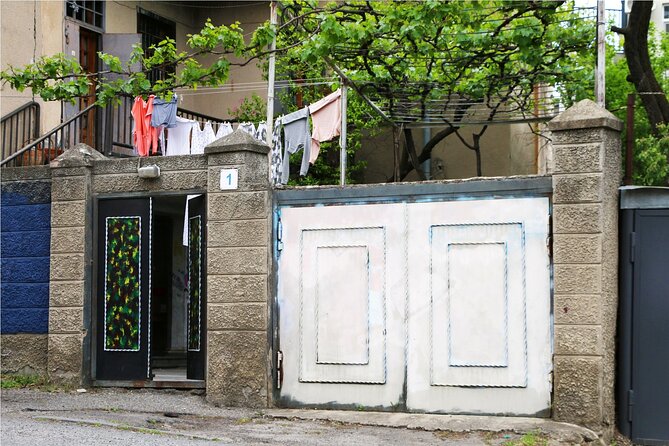
Tina gives you a hands-on role in the kitchen. You do not simply watch a chef perform while you stand to one side. You cook along with her, helping prepare two or three typical Georgian dishes.
The exact menu is seasonal, so you should not book with one fixed dish in mind. The possible foods listed for the meal include khachapuri, khinkali, and chakhokhbili, along with fresh tomato and cucumber salad. Your class menu may differ, but that flexibility is useful in Georgia, where home cooking changes with the produce available.
Khachapuri and the Georgian table
Khachapuri is cheese-filled bread, one of Georgia’s best-known foods. It is simple in its basic idea, but the dough, cheese, shape, and preparation vary across the country.
Making it at home helps you understand why the dish is more than a quick snack. You work with dough and filling, then share the finished bread while it is fresh. The lesson is likely most useful if you pay attention to the practical details Tina shows you, such as how the dough feels and how much filling it can hold.
Khinkali and careful handwork
Khinkali are Georgian dumplings, often filled with meat and broth. Folding them takes more care than eating them, and the pleats are part of the fun.
If khinkali are included in your class, expect a task that rewards patience. You may not produce perfect dumplings on the first try, but you will leave with a better idea of how the folds hold the filling. At the table, khinkali are eaten by hand, with care taken not to spill the hot juices inside.
Same mountains, a completely different kind of day:
- Day Trip to Kakheti Wine Region Including 9 Wine Tastings
★ 5.0 · 2,774 reviews - Highlights of Caucasus Mountains-Jinvali,Ananuri,Gudauri,Kazbegi(Group tour)
★ 5.0 · 2,682 reviews - Day Trip to Kazbegi and Gudauri
★ 5.0 · 2,009 reviews - Day Trip to Mtskheta Gori and Uplistsikhe
★ 5.0 · 1,801 reviews
Chakhokhbili and fresh herbs
Chakhokhbili is stewed chicken with fresh herbs. It is a good example of Georgian home food because it relies on a warm, savory stew rather than elaborate restaurant presentation.
The herbs matter. Georgian cooking often uses herbs to give a dish its character, and preparing chakhokhbili lets you see how fresh ingredients change a simple chicken dish. It also gives you a recipe that may be easier to repeat at home than a more technical bread or dumpling.
From kitchen work to a regional Georgian meal
After cooking, you sit with Tina at the family dining table. The food you helped prepare becomes part of a larger meal, so you get more than a narrow taste of your own recipe.
A possible spread includes fresh tomato and cucumber salad, chakhokhbili, khachapuri, and khinkali. The menu is not fixed, and seasonality affects what appears. That is worth keeping in mind if you have a particular dish you want to try. Ask about it when booking rather than assuming it will be served.
The food connection to Lechkhumi and Samegrelo gives the meal a clear regional focus. Tina’s parents grew up in those parts of Georgia, and the dishes reflect that family background. You are not being given a generic menu designed to represent every corner of the country. Instead, you are tasting the food her family knows.
That makes the meal more personal. Regional cooking in Georgia can vary widely, and a family recipe often tells you more than a broad national label. Pay attention to the differences in seasoning, use of herbs, breads, and sweets.
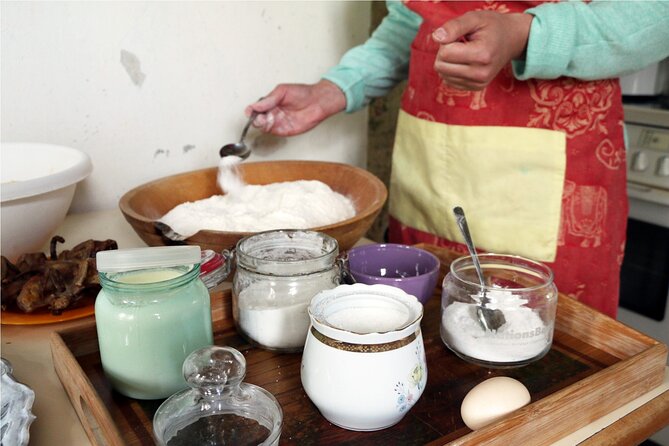
The meal ends with churchkhela, a traditional Georgian candy made by repeatedly dipping a string of nuts into tatara. Tatara combines flour, sugar, and badagi, which is concentrated grape juice. Dry fruits may also be used.
Churchkhela looks unusual, almost like a candle or a string of beads. Its chewy texture and grape sweetness make it a memorable finish. It is also a useful food to recognize in Georgian markets, where you will often see colorful strings hanging for sale.
A possible market visit before the cooking
One account of the experience included a visit to a local market with Teo before returning to the family home. On that visit, she explained local cheeses, fresh herbs, and sweets.
Because the stated class details focus on the home cooking session and menus can vary, you should treat the market stop as something that may be included rather than a guaranteed part of every booking. If it is part of your time, it adds useful context before you start cooking.
Seeing cheese and herbs before using them helps you understand the ingredients on the table. It also gives you a chance to ask about Georgian sweets and compare what you see in the market with what you later eat at home.
The tradeoff is time. The experience lasts about three hours, and a market visit can reduce the time available for cooking and conversation. If you care most about the kitchen lesson, confirm the plan in advance. If you want a broader introduction to Georgian food, the market portion could be a welcome addition.
Why the private format affects the value
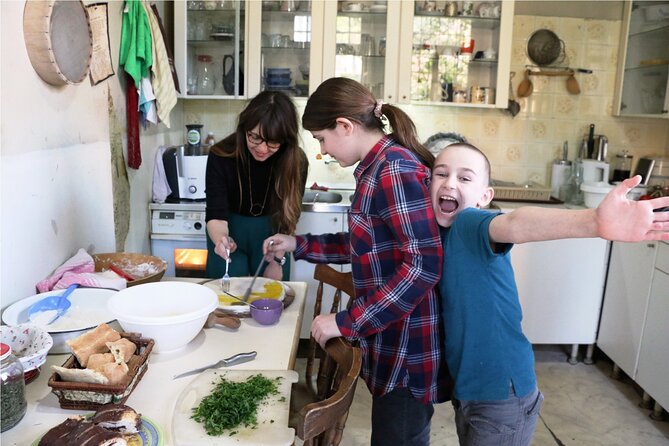
At $152 per person, this is not a budget meal or a basic demonstration. You are paying for a private experience, a hands-on class, a meal, drinks, and time with a local family.
The cost makes more sense for couples, families, and small groups that value personal attention. You can ask about ingredients, Georgian food customs, and regional cooking without competing with a large class. The private setup also gives you more freedom to discuss allergies, dietary restrictions, or cooking preferences before you arrive.
Group discounts are available, which can improve the price for a larger party. Still, compare the total cost with other food activities in Tbilisi. If your main goal is simply to eat khachapuri and khinkali, a restaurant meal will cost much less. If your goal is to learn, cook, and spend an evening in a family home, the higher price buys a different kind of experience.
The included alcohol adds some value, with one or two glasses of local alcohol provided. Non-alcoholic drinks are included too. Gratuities, taxes, fees, and handling charges are included, so the advertised price covers the main components of the activity.
Lunch or dinner: choosing the better time
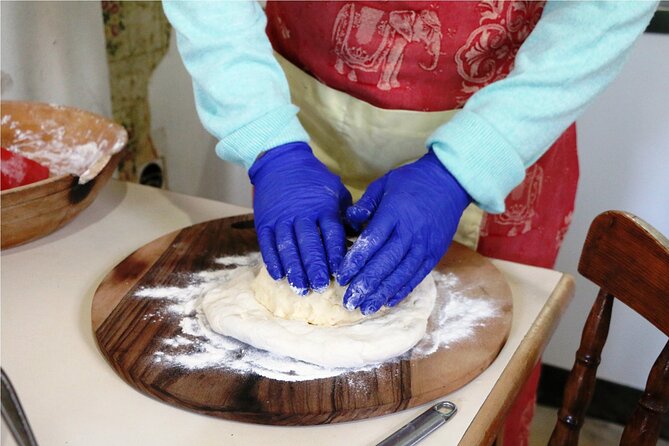
You can book either a lunch or dinner class. The right choice depends on your schedule and the mood you want.
A lunch session can work well if you want to keep your evening free for Tbilisi sightseeing. It also leaves time afterward for a walk or another activity. A dinner session feels more natural if you want the meal to be the main event of the evening and prefer a slower transition from cooking to the table.
The experience lasts approximately three hours. That is long enough for cooking and a shared meal, but not so long that it takes over your entire day. Give yourself extra time around the scheduled meeting time since the activity does not include hotel pickup or drop-off.
The meeting point is in Tbilisi and near public transportation. You will need to make your own way there and back. Exact directions and timing should be confirmed after booking, especially if you are unfamiliar with the city.
What to tell Tina and Teo before you arrive
Mention allergies, dietary restrictions, and cooking preferences when you book. This is especially important in a home kitchen, where the menu may be planned around family recipes and seasonal ingredients.
You should also ask about the expected menu if you have strong preferences. The food can include meat, cheese, bread, herbs, nuts, and alcohol. Churchkhela contains nuts in its traditional form, and several well-known Georgian dishes use dairy or meat.
The cooking level is not specified, so do not assume advanced culinary training is needed. The hands-on format suggests that you will participate with guidance from Tina. A private class is helpful here because the pace can be adjusted more easily for your group.
Wear something comfortable for a kitchen setting. The provided details do not specify a dress code or equipment, so ask if you have concerns about what to bring. You should not need to arrange separate drinks or a meal afterward, since both the class refreshments and shared food are included.
The family welcome is the main attraction
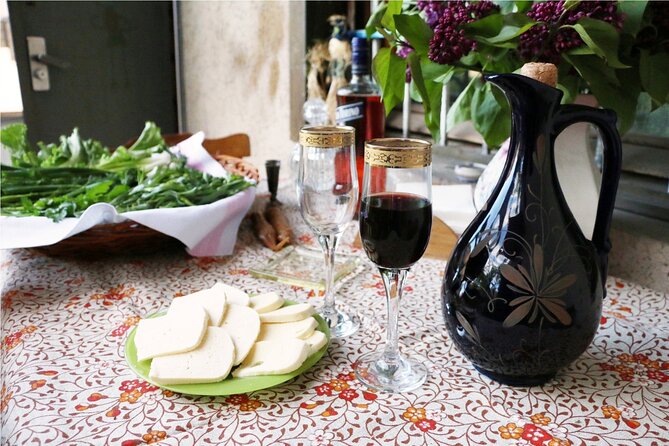
The strongest reason to book this activity is the personal welcome. Tina and Teo do more than explain a recipe. They invite you into a family setting and make space for conversation around the food.
That warmth was especially clear in the accounts of an evening with Teo and Tina, an afternoon that continued into the evening, and a visit involving a mother and daughter who cooked together. The repeated theme is participation: you are welcomed, offered wine, chacha, and cheese, shown around the home, and included in preparing the meal.
The family setting can also be unpredictable. Children or other family members may be around, and the experience may not feel like a perfectly staged culinary show. For many people, that is exactly what makes it worthwhile. You see a more ordinary side of Tbilisi and spend time with people rather than moving from one formal attraction to the next.
Who will enjoy this Tbilisi cooking class?
I would recommend it most strongly for:
- Couples who want a social evening with food at its center.
- Families seeking a private activity where different ages can take part.
- Small groups interested in Georgian cooking beyond restaurant menus.
- Food lovers who want regional context from Lechkhumi and Samegrelo.
- Visitors who enjoy conversation and a relaxed home setting.
It may be less suitable if you want a fast demonstration, a large professional kitchen, or a guaranteed list of specific recipes. It is also not the best choice if you need hotel transportation included or want a low-cost food activity.
The class works particularly well early in a Tbilisi visit. Learning about herbs, cheeses, breads, dumplings, and sweets can help you recognize those foods during the rest of your time in Georgia. It also gives you a few dishes to seek out in restaurants and markets.
Booking, cancellations, and practical limits
You receive confirmation at the time of booking. The activity ends back at the meeting point, and no hotel pickup or drop-off is included.
For a full refund, cancel at least two full days before the local start time. Cancellations within two days are not refunded, and changes made within that period are not accepted. Since the class takes place in a private home and food must be planned, check your schedule carefully before booking.
The activity is private, and only your group participates. That makes it a good choice if you want a quieter experience with people you know, but it also means the $152 per-person price should be weighed against your group size and the available discount.
Should you book this Georgian cooking experience?
Book it if you want more than a meal. The combination of hands-on cooking, a private family home, regional recipes, and time at the dining table gives you a personal look at Georgian food culture.
The best value comes when you take part fully: ask questions, help with the preparation, taste the ingredients, and stay engaged during the meal. If you only want to sample Georgian dishes, spend your money at a restaurant instead.
For a couple or small group that values an intimate setting, Tina and Teo’s class is a strong choice. Confirm the menu, ask if a market visit is planned, share your dietary needs, and arrange your own transportation. Those simple checks will help you decide if the higher price fits the kind of Tbilisi experience you want.
FAQ
Where does the Georgian cooking class take place?
The class takes place in Tina and Teo’s home in Tbilisi, Georgia. The activity starts and ends at the meeting point in Tbilisi.
How long does the experience last?
The cooking class and meal last approximately three hours.
Is the class private?
Yes. Only your group participates in this private activity.
Can I choose lunch or dinner?
Yes. Lunch and dinner class times are available.
What dishes might I learn to cook or eat?
You will learn to prepare two or three Georgian dishes. Possible foods include khachapuri, khinkali, and chakhokhbili, along with tomato and cucumber salad. The menu may change with the season.
Are drinks included?
Yes. Local alcohol, including one or two glasses, and non-alcoholic beverages are included.
Is hotel pickup included?
No. Hotel pickup and drop-off are not included. The meeting point is near public transportation, so you will need to arrange your own way there and back.
Just added around Tbilisi
- Private Adorable City Tour of Tbilisi★ 5.0 · 3 reviews
- Old tbilisi walking tour & wine tasting★ 5.0 · 9 reviews
- Tbilisi Airport to Gudauri, Bakuriani, Batumi, Tbilisi★ 5.0 · 3 reviews
- Your unique photo session in Tblisi, Georgia★ 3.5 · 4 reviews
- full day Kazbegi-Gudauri-jvari -from Tbilisi★ 5.0 · 6 reviews
- Wine promenade in hospitable Tbilisi★ 5.0 · 17 reviews
- Vardzia. Lake Paravani, Khertvisi & Lomisa castle, Rabati★ 4.5 · 12 reviews
- Wine Tasting Tour in Georgia’s Cradle of Wine★ 5.0 · 12 reviews
Cooking Classes, compared.
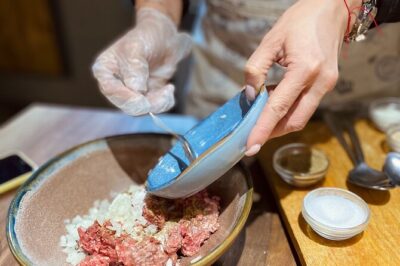
Small-Group Khinkali and Khachapuri Cooking Class in Tbilisi
Read our review →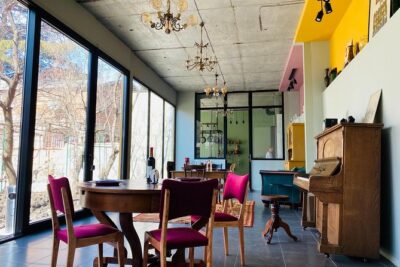
Nana’s Kitchen – traditional Georgian cooking class at real Georgian family home
Read our review →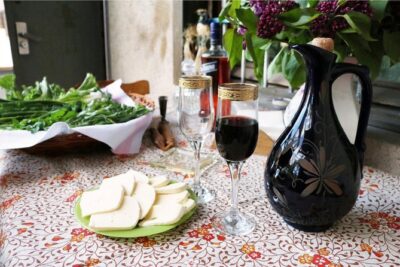
Join a Local for a Market Tour, Cooking Class and Meal in her Tbilisi Home
Read our review →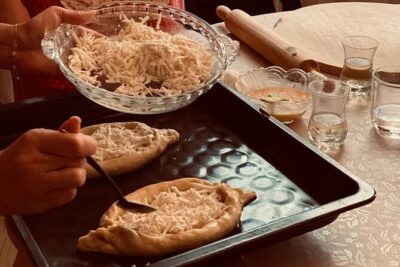
Taste of Georgia. Cooking-Class Khinkali, Khachapuri and more
Read our review →
Exploring Heritage and Cuisine through Cooking Classes
Read our review →
Private Cooking Class with a Tbilisi Food and City Expert Dinara
Read our review →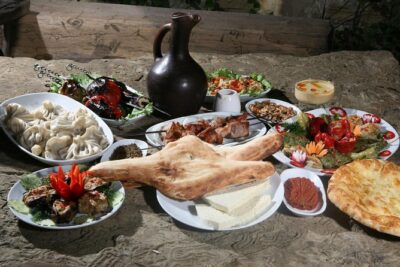
7-Day Georgian Wine and Culinary Private Tour with Cooking Class
Read our review →Browse the lists this tour appears in