
Reviewed · MTSKHETA & JVARI TOURS
Mtskheta, Gori, Uplistsikhe Guided Tour
The best part of this day is the range. In about ten hours, you move from a hilltop church and Georgia’s old religious capital to a cave city cut into volcanic rock, then finish with Stalin’s birthplace and railway carriage. Jvari’s river views and Uplistsikhe’s worn stone passages give the day its strongest sense of place.
I like the small maximum group of 18, the air-conditioned vehicle, and the chance to ask questions as you go. Guides including Jimmy and Russalina are praised for making the long ride lively and helping with practical Georgia tips, from dinner ideas to wine. The main drawback is the pace: nearly three hours are spent getting from place to place, and lunch is at a restaurant selected by the tour rather than by you.
In This Review
- Key points to know before booking
- Why this day makes sense from Tbilisi
- Jvari Church and the meeting of two rivers
- Mtskheta and the Svetitskhoveli Cathedral
- Uplistsikhe, a city carved into volcanic rock
- Lunch, with one important caveat
- Gori and Stalin’s personal story
- The guides can shape the long day
- What the extra costs mean
- Timing, pickup, and who should book
- My call: book it for breadth, not leisure
- FAQ
- How long does the tour last?
- Where does the tour begin?
- What time does the tour start?
- Where does the tour end?
- Which language is offered?
- What places are visited?
- Are admission tickets included?
- Is lunch included?
- Can I cancel the booking?
Key points to know before booking
- Four major sights in one day: Visit Jvari Church, Mtskheta, Uplistsikhe cave town, and Gori’s Stalin Museum from Tbilisi.
- Strong religious and political contrast: The day moves from Georgian Orthodox Christianity to Stalin’s personal story.
- Around three hours on the road: The distances make this a useful overview, but not a slow, in-depth visit.
- English-speaking guides: Jimmy and Russalina are among the guides associated with the experience, with English explanations and help for questions.
- Extra costs are clear: Add about 20 to 30 GEL for lunch, $6.50 for Uplistsikhe, and $6.50 for the Stalin Museum.
- Small-group format: The vehicle carries no more than 18 people, and the tour returns to the Tbilisi meeting point.
Why this day makes sense from Tbilisi
At $19.50 per person, this is an inexpensive way to reach four important places outside Tbilisi without arranging separate transport. The price covers the air-conditioned vehicle and guiding, but not lunch or the two paid attractions.
That matters because the day covers ground that is awkward to connect by public transport in a single outing. You leave Tbilisi at 8:45 am from 5 Samghebro Street and return to the same meeting point. The trip lasts about nine to ten hours, so you should treat it as a full day rather than a quick half-day excursion.
The value is best if you want orientation. You will not have long, unhurried hours at every site, but you will see the key places and get a broad picture of Georgia’s religious, royal, archaeological, and 20th-century past. I would choose this tour early in a Tbilisi stay, especially if you want help deciding where to spend more time later.
The air-conditioned vehicle is a practical plus during a long summer day. A maximum of 18 people keeps the group more manageable than a large coach, though it is still large enough that the day will follow a set schedule.
More mtskheta & jvari tours in Tbilisi:
- Day Trip to Mtskheta Gori and Uplistsikhe
★ 5.0 · 1,801 reviews - Tbilisi:Mtskheta,Jvari,Bazaar,wine tasting,Chronicles of Georgia
★ 5.0 · 730 reviews - Mtskheta-Gori-Uplistsikhe
★ 5.0 · 112 reviews
Jvari Church and the meeting of two rivers
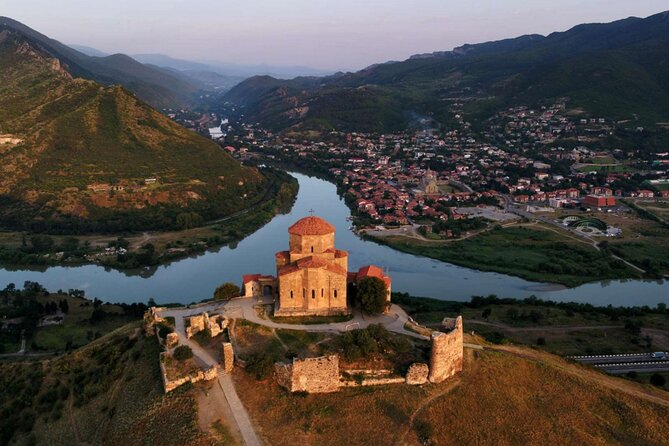
The first stop is Jvari Monastery, high above Mtskheta. You have about an hour here, with no admission charge.
The setting does much of the work. From the monastery, you can look toward Mtskheta and the meeting point of the Mtkvari and Aragvi rivers. This is the kind of opening stop that helps you understand the area before you walk through its churches and streets below.
Jvari is described as the birthplace of Georgian Orthodox Christianity, so the guide’s explanation is important. You are not simply visiting an old church for a photograph. You are starting with the religious importance of the region, then seeing how that importance continues in Mtskheta.
Wear shoes suited to uneven ground and allow time to look beyond the building itself. The view is a central part of the visit. If you prefer detailed interior art or a quiet church visit, the one-hour stop may feel brief, but it gives you a strong first look at the setting.
Mtskheta and the Svetitskhoveli Cathedral
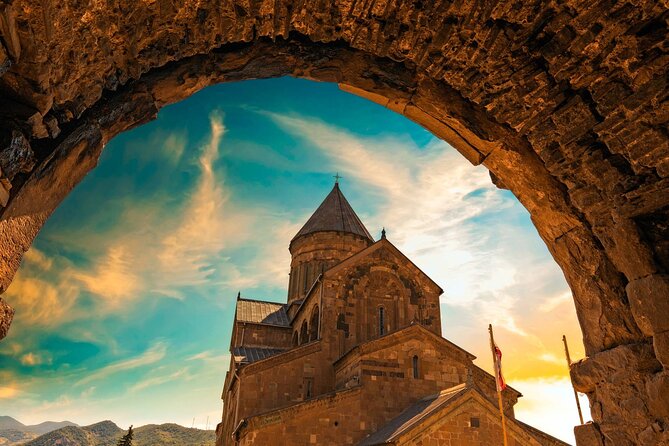
Mtskheta was Georgia’s first capital and remains a major religious center. The tour gives the city about 40 minutes, followed by another 30 minutes at Svetitskhoveli Cathedral.
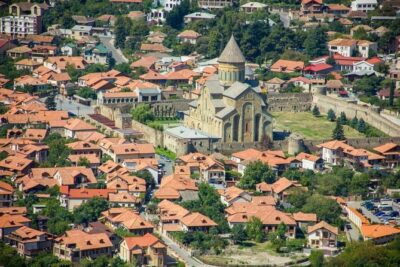
The two entries overlap in subject, but they serve slightly different purposes. In Mtskheta, you get the wider story of the old capital and its religious role. At Svetitskhoveli, the focus shifts to the cathedral, its place in Georgian Christianity, and the tradition that the chiton of Christ is kept there.
That claim is a major reason the cathedral matters to Georgian Orthodox believers. Even if you are not religious, the site helps explain why Mtskheta is more than an old town stop. It is tied to the country’s spiritual identity.
The timing is tight. You have roughly 70 minutes across the town and cathedral, and the tour does not promise free time for a long café stop or independent wandering. I would listen closely to the guide at the start, then use any remaining minutes for the parts of the town that catch your eye.
The free admission keeps the early part of the day inexpensive. It also means the two paid stops later in the schedule are easier to budget for.
Uplistsikhe, a city carved into volcanic rock
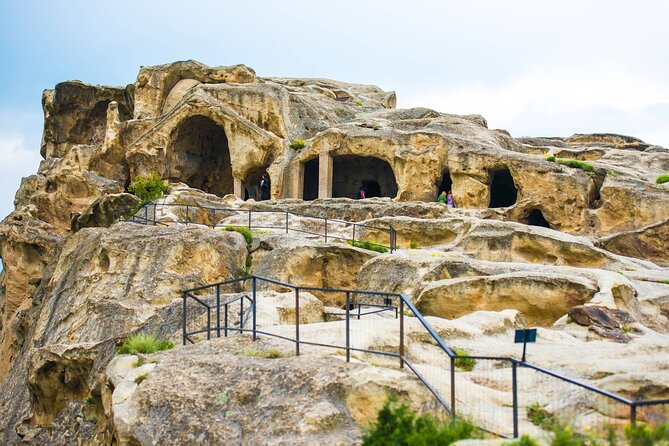
Uplistsikhe is the most unusual stop on the route. You spend about an hour and 30 minutes walking through an ancient fortress city carved into volcanic rock.
The site includes the remains of temples, homes, streets, and squares. Rather than viewing one preserved building, you move through the shape of an old settlement and consider how people lived in it. The exposed stone, cut passages, and open spaces make this a more active visit than the churches.
I would give this stop your full attention. The value is in noticing how the city is arranged, not just in reaching a single viewpoint. A guide can help you connect the surviving rooms and streets to daily life, which is far more useful than walking through the rocks without context.
The admission fee is listed as $6.50 per person and is not included. That is an important detail when you compare the low tour price with the actual cost of the day.
The terrain may feel more demanding than the cathedral visits because you are strolling through an ancient rock settlement rather than on a flat city street. The supplied information does not specify the exact walking conditions, so plan for an outdoor archaeological site and choose sensible footwear.
More gori & uplistsikhe tours in Tbilisi:
- Mtskheta, Jvari, gori, uflistsikhe, history and panorama (group tours)
★ 4.5 · 107 reviews - Day tour to Chronicles of Georgia, Gori city, Uplistsikhe cave
★ 5.0 · 86 reviews - Ancient Georgia Group Tour: Mtskheta,Jvari, Gori, Uplistsikhe
★ 4.5 · 73 reviews - Mtskheta – Jvari + Gori – Uplistsikhe Tour
★ 5.0 · 49 reviews
Lunch, with one important caveat
The schedule includes a stop at a local restaurant for traditional food, with about 20 to 30 GEL or more set aside for lunch. Food can be one of the pleasures of this day, and one guide is praised for taking the group to a meal that ranked among the best of a visitor’s whole Georgia trip.
Still, the restaurant choice is not guaranteed to be a highlight. Another account describes the selected restaurant as mediocre and expensive, with Georgian food that did not show its best side.
That mixed picture gives you a useful way to think about lunch. The meal is convenient and built into the route, but you are giving up control over the menu and price. If food is a main reason you are visiting Georgia, ask the guide what is planned and what the expected cost will be before ordering.
The meal also adds a needed break after Uplistsikhe. On a long day, a seated lunch can be welcome, even if the restaurant is not your ideal choice. I would judge this part as practical rather than a reason to book the tour.
Gori and Stalin’s personal story
The final major stop is Gori’s Stalin Museum, with about an hour inside. The admission fee is another $6.50 per person and is not included in the tour price.
You visit the house where Stalin was born and lived, see personal belongings, and view the armored railway carriage he used. These details make the stop personal and physical. Instead of only reading about a political figure, you encounter the place connected to his early life and the objects tied to his public role.
The museum can also change the tone of the day. Jvari and Mtskheta focus on Georgian faith and national origins. Uplistsikhe shows an ancient settlement. Gori brings you into the difficult political story of the 20th century.
The one-hour visit gives you a focused introduction, not an exhaustive study. If you have a strong interest in Soviet history, you may want more time than the schedule permits. If Stalin museums are not usually on your list, the stop still offers a clear connection between Gori and one of the most consequential figures linked to Georgia.
The guide’s role is especially useful here. A balanced explanation can help you place the museum and its displays in context without turning the visit into a simple personality portrait.
The guides can shape the long day
A tour with this much driving depends heavily on the person leading it. Jimmy is praised for being entertaining and for representing Georgia warmly. Russalina is described as attentive, well informed, and able to connect with everyone in the group.
The guide is also useful beyond the official stops. One guide helped with questions in both English and Russian and offered suggestions for dinner and places to find good Georgian wine. Those small tips can have real value, especially on a first visit when you are still learning how to choose restaurants and plan evenings.
English is the advertised language, so you should expect the main explanations in English. The guide may be able to help in Russian as well, but that should not be treated as the primary language of the tour.
Because the group can reach 18 people, ask questions when the guide gathers everyone. Do not assume you will have a long private conversation at each stop. The format is social and scheduled, with the benefit of a human guide but less freedom than a private car and driver.
What the extra costs mean
The base price is attractive, but your actual day costs more than $19.50. The known additional charges are:
- Lunch: about 20 to 30 GEL or more
- Uplistsikhe entrance: $6.50 per person
- Stalin Museum entrance: $6.50 per person
The two attraction fees add $13 before lunch. That still keeps the outing reasonably priced for a full day, guided transport, and four major stops, but it is better to budget honestly from the start.
The tour does not list drinks, so plan to handle those separately if needed. No other included services are specified beyond the air-conditioned vehicle, guiding implied by the experience, and the planned visits.
Timing, pickup, and who should book
You meet at 5 Samghebro Street in Tbilisi at 8:45 am. The activity ends back at that meeting point, which is useful if you have evening plans in the city.
The overall day runs for approximately nine to ten hours. About three hours are spent moving between locations, so bring patience. The road time is the cost of seeing sites spread across the region in one outing.
This tour fits you best if you:
- Want a broad first look at the area around Tbilisi
- Prefer an English-speaking guide to independent planning
- Like combining religious sites, archaeology, and modern political history
- Are comfortable with a full day and several hours in a vehicle
- Want a low-cost group tour rather than a private itinerary
It is less suitable if you want long visits at each site, complete control over lunch, or a relaxed day with little driving. Families and most able-bodied visitors can participate according to the tour information, but the route includes an outdoor cave settlement, so you should be prepared for walking at Uplistsikhe.
The experience is offered with a mobile ticket, and confirmation is received at booking. It requires good weather and a minimum number of participants. If poor weather or low participation cancels the tour, you are offered another date, another experience, or a full refund. You can cancel for a full refund if you do so at least 24 hours before the start time.
My call: book it for breadth, not leisure
I would book this tour if I had a few days in Tbilisi and wanted to cover Mtskheta, Uplistsikhe, and Gori without arranging several separate trips. The price is strong, the route is packed with meaningful sights, and a good guide such as Jimmy or Russalina can turn the long drives into useful context.
I would skip it if your top priorities are a slow lunch, extended time at Uplistsikhe, or choosing every restaurant yourself. The restaurant is the clearest weak point, and the schedule leaves little room to linger.
For most first-time visitors, the tradeoff is fair. You get Georgia’s old religious center, a striking rock-cut settlement, and a look at Stalin’s birthplace in one well-priced day. Just budget for the two entrance fees, expect a lot of road time, and treat lunch as convenient rather than guaranteed culinary magic.
FAQ
How long does the tour last?
The experience lasts approximately nine to ten hours, including travel between stops.
Where does the tour begin?
It begins at 5 Samghebro Street in Tbilisi, Georgia.
What time does the tour start?
The scheduled start time is 8:45 am.
Where does the tour end?
The activity returns to the starting meeting point in Tbilisi.
Which language is offered?
The tour is offered in English. One guide also helped with questions in Russian.
What places are visited?
The route includes Jvari Church, Mtskheta, Svetitskhoveli Cathedral, Uplistsikhe cave town, and the Stalin Museum in Gori.
Are admission tickets included?
Admission to Jvari Church, Mtskheta, and Svetitskhoveli Cathedral is listed as free. Uplistsikhe costs $6.50 per person, and the Stalin Museum costs $6.50 per person. These two paid tickets are not included.
Is lunch included?
Lunch is not included. The expected cost is about 20 to 30 GEL or more.
Can I cancel the booking?
You can cancel for a full refund at least 24 hours before the experience start time. Cancellations or changes made less than 24 hours before the start are not accepted for a refund.
Just added around Tbilisi
- Private Adorable City Tour of Tbilisi★ 5.0 · 3 reviews
- Old tbilisi walking tour & wine tasting★ 5.0 · 9 reviews
- Tbilisi Airport to Gudauri, Bakuriani, Batumi, Tbilisi★ 5.0 · 3 reviews
- Your unique photo session in Tblisi, Georgia★ 3.5 · 4 reviews
- full day Kazbegi-Gudauri-jvari -from Tbilisi★ 5.0 · 6 reviews
- Wine promenade in hospitable Tbilisi★ 5.0 · 17 reviews
- Vardzia. Lake Paravani, Khertvisi & Lomisa castle, Rabati★ 4.5 · 12 reviews
- Wine Tasting Tour in Georgia’s Cradle of Wine★ 5.0 · 12 reviews
Mtskheta & Jvari Tours, compared.

Mtskheta,Jvari,Bazaar,wine tasting,Chronicles of Georgia
Read our review →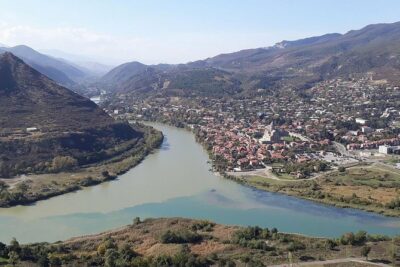
Mtskheta, Jvari, gori, uflistsikhe, history and panorama (group tours)
Read our review →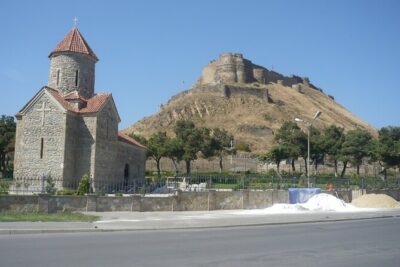
Ancient Georgia Group Tour: Mtskheta,Jvari, Gori, Uplistsikhe
Read our review →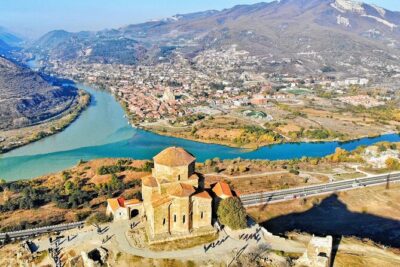
Ancient Mtskheta and Chronicle of Georgia half day tour
Read our review →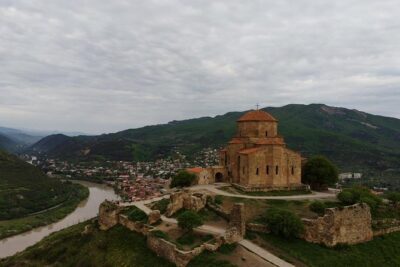
Private Day Trip to Gudauri and Kazbegi from Tbilisi via Jvari and Mtskheta
Read our review →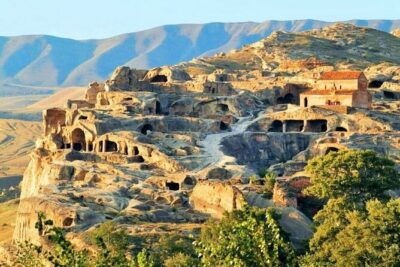
Browse the lists this tour appears in