
Reviewed · MTSKHETA & JVARI TOURS
Mtskheta, Gori and Uplistsikhe Day Tour from Tbilisi
Mtskheta’s hilltop Jvari Church, Gori’s Stalin connection, and Uplistsikhe’s carved stone chambers give you three very different views of Georgia in one day. The route packs major sights into about eight hours, with comfortable transport and an expert guide doing the driving and explaining the stops.
I like the excellent variety: sacred monuments, a political museum, and an ancient cave settlement all appear on the same outing. I also like the price, $19.95 per person, which is a strong deal for a full day outside Tbilisi. The main catch is that entrance fees and food are extra, and the schedule leaves limited time for lingering.
In This Review
- Key points at a glance
- Why this route works so well in one day
- Jvari Church: Georgia from the hilltop
- Mtskheta and the Holy Cross Church
- Uplistsikhe: rooms carved directly into rock
- A short pause in Gori
- The Stalin Museum and a difficult chapter
- What the guide and group size mean
- Is $19.95 good value?
- Timing, comfort, and what to bring
- Who should book this day tour?
- Should you book it?
- FAQ
- Where does the tour start?
- What time does the tour begin?
- Where does the tour finish?
- How long does the tour last?
- What places are included?
- Are entrance fees included?
- Is transportation provided?
- How large is the group?
- Can I cancel for a refund?
Key points at a glance
- Three distinct Georgian sights: Visit Jvari Church, Mtskheta’s Holy Cross Church, Gori, the Stalin Museum, and Uplistsikhe.
- A useful eight-hour route: Travel time is included, so you see a lot without arranging several separate trips.
- Small-group format: The maximum group size is 17 people, more manageable than a large coach outing.
- Low advertised price: The $19.95 rate includes transport and guide service, but not entrance fees, food, or drinks.
- Free time at Uplistsikhe and Gori: You get some room to look around rather than spending every minute in a guided stop.
- Flexible cancellation: A full refund is available if you cancel at least 24 hours before the 9:00 am start.
Why this route works so well in one day
This is a smart first excursion from Tbilisi because the stops complement one another. Mtskheta introduces Georgia’s Orthodox Christian tradition, Gori brings the country’s modern political past into view, and Uplistsikhe reaches much further back into antiquity.
You are not getting three similar monuments. The churches are active religious sites with striking hill and river views. The Stalin Museum is focused on one complicated and controversial figure. Uplistsikhe is an open-air archaeological site where the rock itself forms rooms, passageways, and platforms.
The schedule assigns about one hour to each major stop, with a shorter 30-minute pause in Gori. That is enough for a first look at each place, but not enough for slow photography, long museum reading, or an unhurried meal. I would treat this as a broad introduction rather than a deep study of any one site.
The tour begins at 9:00 am at 25 Shota Rustaveli Avenue in central Tbilisi and returns to the same meeting point. Since transport time counts toward the total eight hours, the actual sightseeing day is divided between driving and visits. That is normal for a route covering several towns, but it is worth knowing before you book.
More mtskheta & jvari tours in Tbilisi:
- Day Trip to Mtskheta Gori and Uplistsikhe
★ 5.0 · 1,801 reviews - Tbilisi:Mtskheta,Jvari,Bazaar,wine tasting,Chronicles of Georgia
★ 5.0 · 730 reviews - Mtskheta-Gori-Uplistsikhe
★ 5.0 · 112 reviews
Jvari Church: Georgia from the hilltop
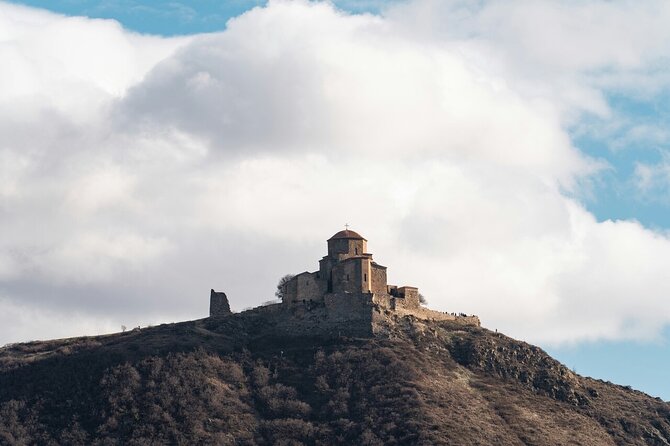
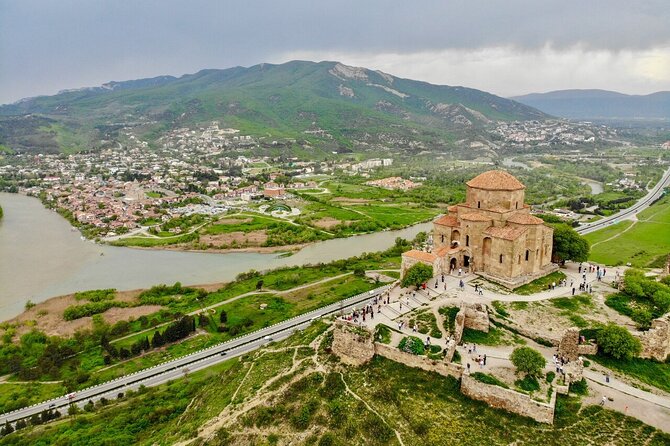
The first stop is Jvari Church, also called the Church of the Holy Cross. The visit lasts about an hour and includes a guided tour, a photo stop, sightseeing, and views along the way.
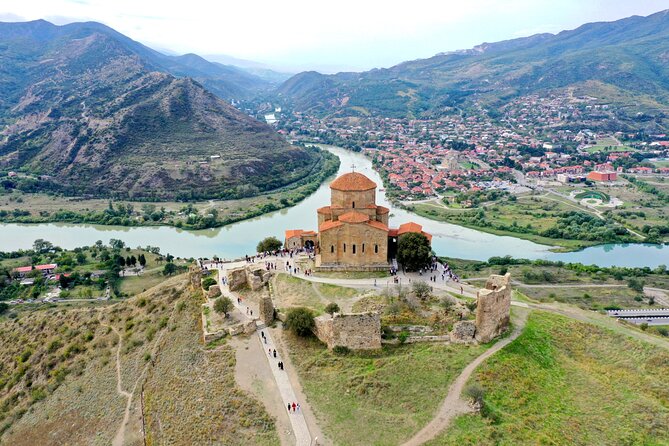
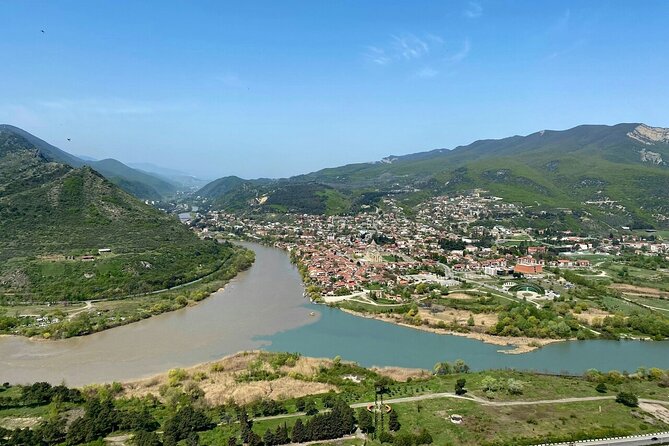
Jvari is especially rewarding because of its setting. From the hill, you look toward Mtskheta and the meeting area of the Aragvi and Mtkvari rivers. The view helps explain why this site matters: the church is not simply an isolated stone building, but part of the old religious and political center around Mtskheta.
The stop is free of admission charges, which keeps the day’s extra costs down. You will want comfortable shoes and a little patience for the outdoor portions, since the appeal here comes as much from the elevated viewpoint and surrounding scenery as from the church interior.
The guide service matters at Jvari. Without context, the building can seem small compared with later cathedrals. With explanation, its place in Georgia’s Christian tradition becomes clearer. You get a short, focused visit rather than a long lecture, which suits the overall pace.
Mtskheta and the Holy Cross Church
The second stop brings you into Mtskheta, Georgia’s ancient capital. The tour includes another hour for visiting, guided sightseeing, and photography, with no admission fee listed for the church stop.
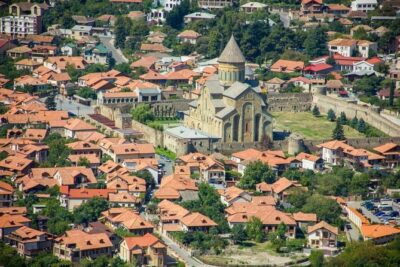
Mtskheta is the cultural heart of this day. Its religious sites carry more weight than their size might suggest, and the town gives you a feel for Georgia before modern Tbilisi became the country’s main center. The Holy Cross Church, better known as Jvari, is often paired with the Mtskheta visit because the two sites frame the old capital from above and below.
I like this part of the route because it gives the day a strong opening. You begin with place and tradition before moving to Gori’s more personal and political story. The churches also provide some of the most praised scenery on the tour, with views that make the early drive worthwhile.
Your hour here should be used with care. Listen to the guide first, then leave time for your own photographs and a quiet look at the architecture. Church visits require respectful clothing and behavior, although no specific dress rules are supplied for this tour.
Uplistsikhe: rooms carved directly into rock
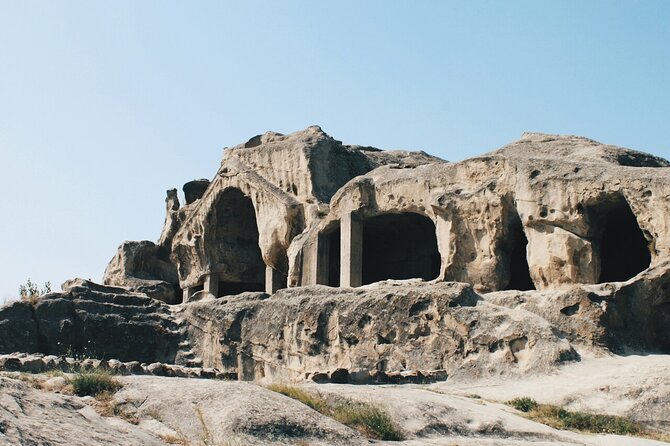
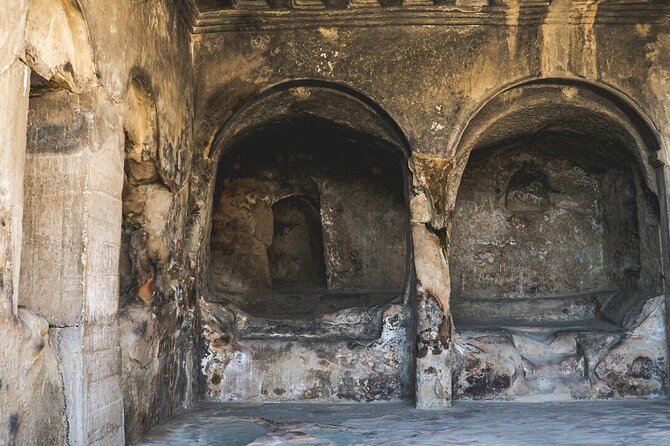
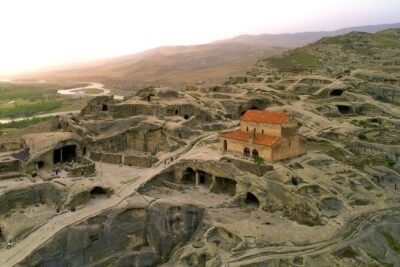
Uplistsikhe is the most unusual stop. This ancient cave city was cut into rock cliffs beside the Mtkvari River, creating a site that feels very different from the churches and museum later in the day.
You get about one hour here, including a guided visit, a photo stop, free time, and scenic views. Admission is not included, so keep part of your budget available for the entry ticket. The supplied details do not give the exact fee.
The best way to approach Uplistsikhe is to expect uneven ground, exposed rock, and a site that rewards looking closely. You may find chambers, passageways, and carved spaces that are easier to understand when the guide points out their purpose. The free time is useful because this is the stop where you will probably want to pause, take photographs, and inspect details at your own speed.
One piece of practical advice: wear shoes that feel secure. No footwear rule is stated, but a rock-cut archaeological site is rarely the place for flimsy sandals or polished city shoes. Since the stop lasts only an hour, do not spend the whole visit taking pictures from the first viewpoint. Walk farther into the site if the guide and schedule allow it.
The cave city is also the clearest example of the tour’s value. It is not just another church or town square. You are seeing how people shaped a settlement from the cliffs, with the river below and the rock providing both shelter and structure.
More gori & uplistsikhe tours in Tbilisi:
- Mtskheta, Jvari, gori, uflistsikhe, history and panorama (group tours)
★ 4.5 · 107 reviews - Day tour to Chronicles of Georgia, Gori city, Uplistsikhe cave
★ 5.0 · 86 reviews - Ancient Georgia Group Tour: Mtskheta,Jvari, Gori, Uplistsikhe
★ 4.5 · 73 reviews - Mtskheta – Jvari + Gori – Uplistsikhe Tour
★ 5.0 · 49 reviews
A short pause in Gori
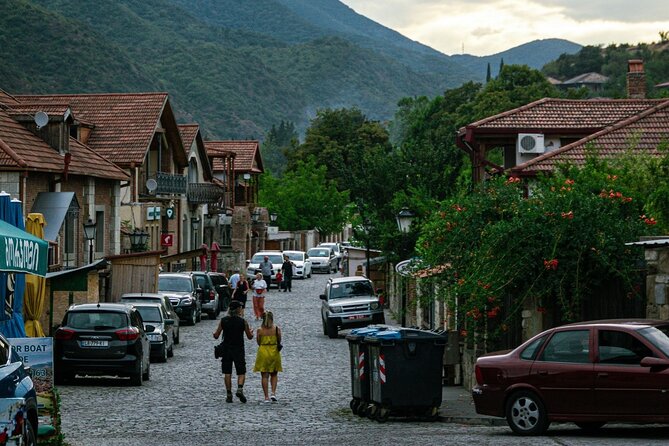
Gori receives about 30 minutes for a break, photographs, free time, and sightseeing. It is a short stop, so you should not expect a full town tour.
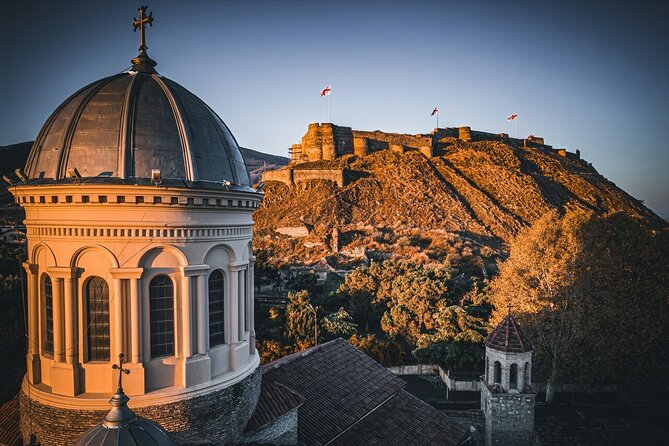
Gori is best understood here as a bridge between Uplistsikhe and the Stalin Museum. The town is known as Joseph Stalin’s birthplace, and that fact shapes the next part of the day. The pause gives you a chance to stretch, take photographs, and get your bearings before the museum visit.
The limited time is the main drawback. If you want to explore Gori beyond its Stalin connection, this outing will not give you much room. On the other hand, the short break keeps the overall route moving and leaves more time for the museum and Uplistsikhe.
The Stalin Museum and a difficult chapter
The Stalin Museum is allocated about an hour and includes a guided tour, sightseeing, and photographs. Admission is not included, so this is another cost to plan for before departure.
This stop is not a simple celebration of a famous local son. Stalin’s legacy is tied to mass repression, dictatorship, and enormous human suffering, as well as his role in twentieth-century politics. A good guide can help you place the exhibits in context rather than leaving you with a polished personal story.
The tour description says the museum explores Stalin’s life and legacy. That makes this stop useful for visitors who want to understand how Georgia presents this part of its past. It also adds a modern political layer to a day otherwise focused on ancient religious and archaeological sites.
An hour is enough for an introduction, but museum visitors who read every panel may want more time. The schedule is fixed, so you will need to balance your interest in the exhibits with the group’s departure time. If the museum is your main reason for visiting Gori, a dedicated visit would allow a slower pace. For a first look, the guided hour is practical.
What the guide and group size mean
The tour includes an expert guide and transportation throughout the day. The maximum group size is 17 people, which is small enough for a more personal feel than a large bus tour, though it is not a private outing.
The available feedback describes the guide as kind and enthusiastic. That is important on a route like this because the value is not only in being driven from site to site. The churches, cave city, and museum all benefit from explanation, and the guide helps connect them into a single story.
Do keep your expectations realistic. A group of up to 17 can still take time to gather, especially at outdoor sites. The itinerary has several one-hour stops, so punctuality matters. If you tend to wander far from the group or spend a long time photographing one angle, you may find the schedule brisk.
The meeting point is near public transportation, which helps if you are staying elsewhere in Tbilisi. The listed start is 25 Shota Rustaveli Avenue, and the activity ends back there. Confirmation is provided at booking, and most people can take part according to the supplied information.
Is $19.95 good value?
At $19.95 per person, this is an inexpensive way to reach three destinations that would require more planning by yourself. Transport, a guide, and the return trip are included, so you avoid the work of arranging separate rides to Mtskheta, Gori, and Uplistsikhe.
The low price needs a little context. All fees and taxes are excluded, as are entrance tickets, food, and drinks. You should therefore think of $19.95 as the starting price, not the complete cost of the day.
Even with those extras, the route can offer good value if you want coverage rather than a slow, private visit. You get major sights in several areas, guided context, and a return to central Tbilisi. The price is less attractive if you dislike fixed schedules or plan to spend most of your day inside the Stalin Museum.
Food is also not included. The supplied details do not specify a meal stop or restaurant, so bring what you need or ask the provider before departure about the day’s break arrangements. Do not assume lunch is part of the booking.
Timing, comfort, and what to bring
This is an approximately eight-hour outing beginning at 9:00 am. Travel time is part of that total, which means the day will feel active even though each stop has a clear time limit.
Comfortable transportation is included, but the vehicle type is not specified. The group may include as many as 17 people, so seating and luggage space are worth confirming if you have special needs. The activity is near public transport at the meeting point, and most people can participate.
I would bring:
- Comfortable shoes for church grounds and the rock-cut site
- Water and food money, since drinks and meals are not included
- A phone or camera for the many photo stops
- Modest clothing suitable for church visits
- A little extra cash for the two admission fees
Mobile ticketing makes the booking easy to manage. Cancellation is free up to 24 hours before the start time, with a full refund. Changes or cancellations within 24 hours are not accepted for a refund, and the cut-off uses local time.
Who should book this day tour?
I would recommend it to you if this is your first time in Georgia and you want a quick, broad introduction beyond Tbilisi. It suits people who enjoy switching between religious sites, archaeology, and twentieth-century history in one day.
It is also a good fit if you value a low price and shared transport more than personal control. The small-group limit is helpful, but the tour remains structured. Families and older visitors may appreciate having transport arranged, though the rock-cut site may require care with footing.
You may want another option if your priority is slow photography, extended museum time, or a private schedule. The eight-hour format covers a lot, but each stop is short. Uplistsikhe and the Stalin Museum could each justify a longer visit for someone with a strong interest in archaeology or political history.
Should you book it?
Book this tour if you want maximum variety for a modest price and are happy with a brisk group schedule. The finest moments are the views around Jvari and Mtskheta, the unusual rock chambers at Uplistsikhe, and the contrast between ancient Georgia and Stalin-era history.
Skip it if you need included admission, meals, or a relaxed pace. Before paying, budget for the Uplistsikhe and Stalin Museum tickets, confirm the day’s food arrangements, and arrive at the Rustaveli Avenue meeting point ready for a full day.
FAQ
Where does the tour start?
The tour starts at 25 Shota Rustaveli Avenue, Tbilisi 0108, Georgia.
What time does the tour begin?
The scheduled start time is 9:00 am.
Where does the tour finish?
The activity ends back at the original meeting point in Tbilisi.
How long does the tour last?
The tour lasts approximately eight hours, including travel time between locations.
What places are included?
The route includes Jvari Church, Mtskheta’s Church of the Holy Cross, Uplistsikhe, Gori, and the Stalin Museum.
Are entrance fees included?
No. Entrance fees are not included in the tour price. Food, drinks, all fees, and taxes are also excluded.
Is transportation provided?
Yes. Comfortable transportation is provided throughout the journey.
How large is the group?
The maximum group size is 17 people.
Can I cancel for a refund?
Yes. You can cancel at least 24 hours before the experience start time for a full refund. Cancellations or changes made within 24 hours are not refunded or accepted.
Just added around Tbilisi
- Private Adorable City Tour of Tbilisi★ 5.0 · 3 reviews
- Old tbilisi walking tour & wine tasting★ 5.0 · 9 reviews
- Tbilisi Airport to Gudauri, Bakuriani, Batumi, Tbilisi★ 5.0 · 3 reviews
- Your unique photo session in Tblisi, Georgia★ 3.5 · 4 reviews
- full day Kazbegi-Gudauri-jvari -from Tbilisi★ 5.0 · 6 reviews
- Vardzia. Lake Paravani, Khertvisi & Lomisa castle, Rabati★ 4.5 · 12 reviews
- Wine promenade in hospitable Tbilisi★ 5.0 · 17 reviews
- Wine Tasting Tour in Georgia’s Cradle of Wine★ 5.0 · 12 reviews
Mtskheta & Jvari Tours, compared.

Mtskheta,Jvari,Bazaar,wine tasting,Chronicles of Georgia
Read our review →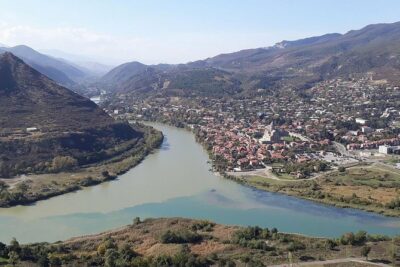
Mtskheta, Jvari, gori, uflistsikhe, history and panorama (group tours)
Read our review →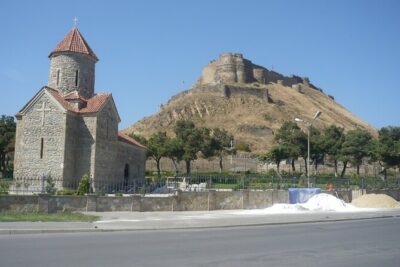
Ancient Georgia Group Tour: Mtskheta,Jvari, Gori, Uplistsikhe
Read our review →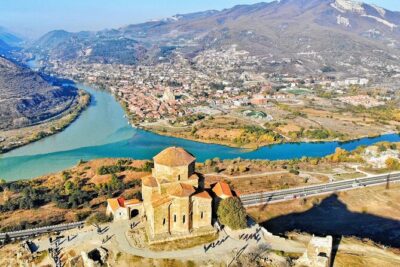
Ancient Mtskheta and Chronicle of Georgia half day tour
Read our review →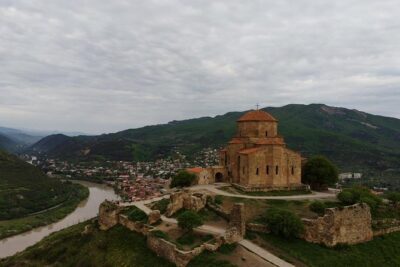
Private Day Trip to Gudauri and Kazbegi from Tbilisi via Jvari and Mtskheta
Read our review →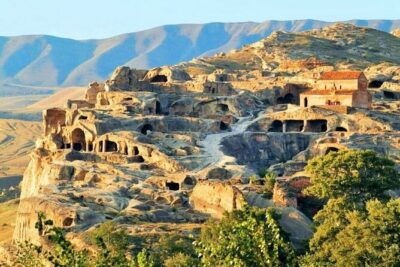
Browse the lists this tour appears in