
Reviewed · 7-DAY EXPERIENCES
Georgian Essence: Cultural Immersion in a week
Georgia packs an astonishing range of experiences into a small country. In eight days, this private tour takes you from Tbilisi and Kakheti wine country to Caucasus peaks, cliff monasteries, Black Sea Batumi, and the old cities of Kutaisi and Mtskheta.
I like the private format, especially when a guide such as Irakli can adjust photo stops, explain local food, and keep the trip feeling personal. I also like the hands-on parts: tasting bread and cheese in Badiauri, seeing qvevri pots being made in Vardisubani, and cooking lunch with a local family.
The main concern is pace. This is a huge amount of Georgia for eight days, with several long road journeys and a few stops listed for only one or two minutes. You should confirm the exact route, overnight towns, and daily driving times before paying.
In This Review
- Key points to know before booking
- What $2,200 buys you in Georgia
- Day 1: From the Gareja Desert to Kakheti wine country
- Day 2: Qvevri craft, Kvetera, and a remote fortress village
- Day 3: Ananuri and the high road to Gergeti
- Day 4: Georgia’s early Christianity and Soviet past
- Day 5: Canyon views, Vardzia, and Rabati Castle
- Day 6: Goderdzi Pass and the Black Sea
- Day 7: Canyons, caves, and Kutaisi
- Day 8: Gelati, Motsameta, and the industrial past
- The guide and the feel of private travel
- Who should book this tour?
- FAQ
- How long is Georgian Essence: Cultural Immersion in a Week?
- How much does the tour cost?
- Is this a private tour?
- Are meals included?
- Is pickup available?
- What happens if the weather is poor?
- My booking recommendation
Key points to know before booking
- Private travel for your group: You are not placed with strangers, and private transport gives you more control over stops and timing.
- Irakli is a major part of the experience: He is praised for friendly service, safe driving, local suggestions, and creating a relaxed, home-like atmosphere.
- Food is part of the sightseeing: Badiauri bread and cheese, Georgian wine traditions, and a family cooking class add more than another church visit.
- The route covers nearly every type of Georgian scenery: Desert hills, vineyards, high mountain passes, canyons, forests, caves, and the Black Sea coast all appear.
- The schedule is ambitious: Shatili, Gergeti, Vardzia, Batumi, Kutaisi, and several remote monasteries require substantial time on the road.
- The price includes useful basics: At $2,200 per person, the package includes selected hotels, breakfasts, lunches, private transportation, and listed entrance tickets.
What $2,200 buys you in Georgia
The advertised price is $2,200 per person for about eight days. That is not a budget tour, but it covers the parts that can make a private Georgia trip expensive and tiring to arrange: private transport, hand-picked hotels, breakfasts, lunches, a guide, and admission at many major sites.
The value depends heavily on the number of people in your group. A couple paying $4,400 together is paying for a private vehicle and personal guide, not just a seat on a bus. A larger family or group can spread the private-tour cost across more people and may find the price easier to justify.
I would compare what is not spelled out. The information provided does not specify the hotel names, room category, dinners, drinks, airport transfer details, or whether every transport cost is covered. Ask for those details in writing. Lunches are included, but dinner is not listed, so you should budget separately for evening meals.
The private setup has real value in Georgia. Mountain roads, scattered churches, village stops, and changing weather make flexibility useful. You can stop for a photograph or spend longer at a place that matters to you, though the packed schedule may limit that freedom on some days.
A few more Tbilisi trips to weigh up
- Private 7-Day Tours & Transfers from Tbilisi to Top Georgia Spots
★ 5.0 · 23 reviews - The Best of Georgia 7 Days Private Jeep Tour from Tbilisi
★ 5.0 · 19 reviews - Amazing All inclusive Tour for 7 Days From Tbilisi
★ 5.0 · 16 reviews
Day 1: From the Gareja Desert to Kakheti wine country
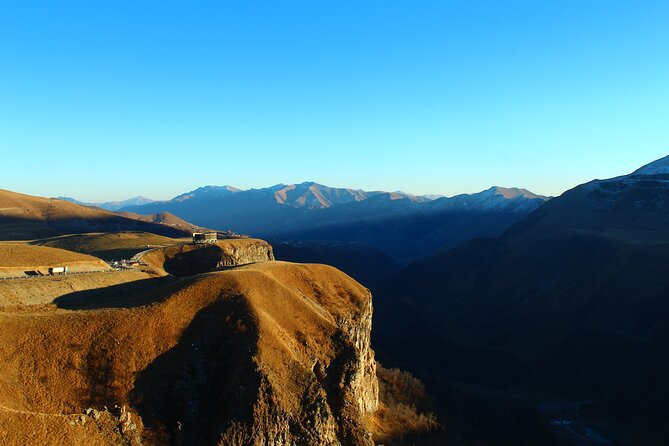
The opening day begins at David Gareja, a sixth-century monastic complex cut into the dry hills near the Georgia and Azerbaijan border. Rock-hewn churches, caves, old religious spaces, and surviving frescoes give this place a spare, powerful character.
One hour is enough for a first look, but not for a slow exploration of every section. Wear practical shoes and expect uneven ground. The dry setting is a sharp contrast to the green mountain country later in the trip.
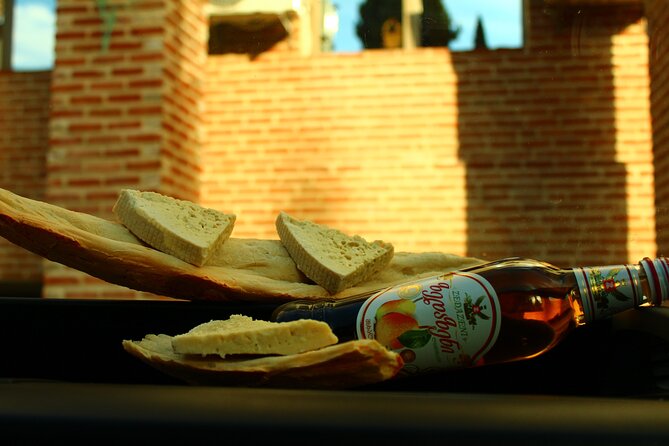
Badiauri offers a welcome change of pace. This village is known for shotis puri, the long Georgian bread baked in a clay oven, and aged cheese. The stop lasts only 15 minutes, so this is a quick taste rather than a full food visit. Still, it gives you something a museum cannot: a direct sense of how everyday Georgian food is made and shared.
At Bodbe Monastery, you spend 30 minutes at a major religious site linked with Saint Nino, who is traditionally credited with bringing Christianity to Georgia. The monastery has a calm setting and strong spiritual importance. Modest clothing is sensible at Georgian Orthodox churches, and you should expect a quiet, respectful visit rather than a standard sightseeing stop.
Two hours in Signagi gives you the best chance to slow down. The hilltop town has cobbled lanes, old balconies, red roofs, and broad views over the Alazani Valley and vineyards. Its romantic nickname, the City of Love, is easy to understand, though the town is worth visiting even if you are not traveling as a couple.
Telavi follows with a short 30-minute visit. The regional center is linked with Georgian wine, King Erekle II, Batonis Tsikhe fortress, local markets, and traditional food. The brief timing means you will get an introduction rather than a full town visit.
This is a full first day. David Gareja, Badiauri, Bodbe, Signagi, and Telavi form a satisfying cultural arc, but the order and driving time should be confirmed. You may arrive at your hotel ready for a quiet dinner.
Day 2: Qvevri craft, Kvetera, and a remote fortress village
Vardisubani is one of the most distinctive stops on the route because it connects wine with craft. Georgian wine is traditionally made in qvevri, large clay vessels buried in the ground. Here, you can see a qvevri maker shaping these vessels and learn about the techniques passed down through generations.
That hour is valuable because it explains Georgian wine as a living tradition, not simply a product to sample. If you enjoy food, crafts, or local customs, this may be one of the most memorable visits of the week.
Kvetera Church dates from the 10th century and offers carved stonework, frescoes, and a quiet religious setting. Forty minutes should work for the church itself, especially if your guide provides context before you enter.
The itinerary then lists Shatili Medieval Fortress Village, a remote settlement in Khevsureti known for defensive towers and stone houses. Its isolated mountain setting and old fortress design are unusual, but this stop raises a practical question: Shatili is far from the Kakheti sites visited earlier, and the information provided does not explain the overnight arrangement or exact driving plan.
Ask about this day specifically. If Shatili is truly included as written, expect a demanding road journey. The reward is a rare look at a mountain community shaped by defense, distance, and harsh terrain. The drawback is that long transport time can reduce the relaxed feel promised by a private tour.
Day 3: Ananuri and the high road to Gergeti
Ananuri Fortified Castle Ensemble is one of the route’s strongest historical stops. Set beside the Aragvi River, the complex combines defensive walls, churches, carved stone details, and painted interiors. One hour lets you walk through the main areas and enjoy the setting without rushing too badly.
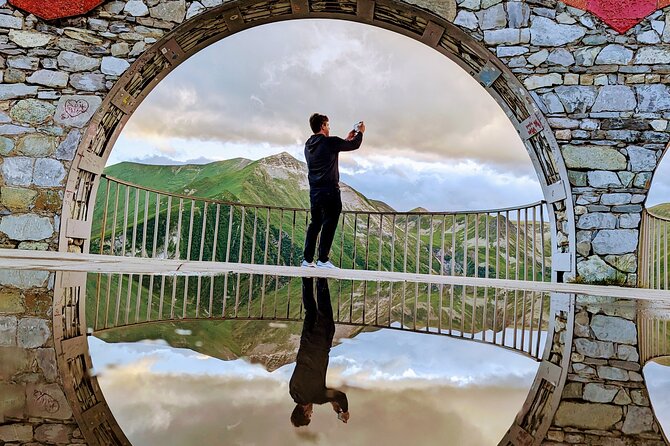
The Russian Georgian Friendship Monument near Gudauri is a short photo stop with a large mosaic mural and wide mountain views. Its political message is tied to the Treaty of Georgievsk and the later relationship between Georgia and Russia. The monument is visually striking, but the surrounding scenery is the main reason to stop.
Gergeti Trinity Church is the day’s prize. The 14th-century church sits high above the mountain town of Stepantsminda, with the Caucasus rising behind it. One hour gives you time to see the church and take in the views, though weather can change quickly in the mountains.
This day shows why a private vehicle helps. Roads climb sharply, conditions may vary, and a personal driver can make the route less stressful. The schedule still leaves little room for an extended mountain walk. If hiking is important to you, ask if the plan allows extra time at Gergeti.
Same mountains, a completely different kind of day:
- Day Trip to Kakheti Wine Region Including 9 Wine Tastings
★ 5.0 · 2,774 reviews - Highlights of Caucasus Mountains-Jinvali,Ananuri,Gudauri,Kazbegi(Group tour)
★ 5.0 · 2,682 reviews - Day Trip to Kazbegi and Gudauri
★ 5.0 · 2,009 reviews - Day Trip to Mtskheta Gori and Uplistsikhe
★ 5.0 · 1,801 reviews
Day 4: Georgia’s early Christianity and Soviet past
Jvari Church near Mtskheta is one of Georgia’s most important early Christian sites. It sits on a hill above the meeting point of the Mtkvari and Aragvi rivers, offering both religious significance and a commanding view. The one-hour stop should allow time for the church and the viewpoint.
In Gori, the Stalin Museum presents a more complicated chapter. It occupies the house associated with Joseph Stalin’s birth and contains personal items, documents, and photographs. The museum offers information about his rise from Georgia to leadership of the Soviet Union, but it is not a simple celebration or condemnation. Go ready to think about how a country presents a figure with such a difficult legacy.
Uplistsikhe Cave Town is more physically demanding. This ancient rock-cut settlement includes chambers, streets, churches, and steep stairways carved into stone. Allowing 90 minutes is sensible, but you should wear shoes with a firm grip and take care on uneven surfaces.
Svetitskhoveli Cathedral in Mtskheta brings the day back to Georgia’s Orthodox tradition. Built in the 11th century, it is associated with Georgian kings and pilgrimage, and tradition holds that it contains the robe of Jesus Christ. Expect a solemn interior, carved stone, frescoes, and a strong sense of national importance.
The two-hour family cooking session in Mtskheta is exactly the kind of experience that gives this tour character. You help prepare dishes such as khinkali, stews, and desserts, then eat lunch with the family. I would value this more than another rushed monument. It creates time for conversation and gives you a practical connection to Georgian cuisine.
The Chronicles of Georgia monument closes the day. Its towering carved figures portray major themes and people from Georgian history. Thirty minutes is enough to take in the scale and details, especially late in the day when you may be ready for a shorter stop.
Day 5: Canyon views, Vardzia, and Rabati Castle
Dashbashi Canyon opens the day with a modern attraction: the Diamond Bridge spanning the gorge. The bridge gives you views of the cliffs and river below. One hour is enough for the crossing and photographs, though anyone uneasy with heights should consider how comfortable they are before booking.
Vardzia is one of Georgia’s great sights. This 12th-century cave monastery was carved into a cliff and once served as a major spiritual and cultural center. You can walk through rock-cut rooms, chapels, passageways, and spaces decorated with frescoes.
Two hours is a useful allowance, but the site involves climbing and uneven paths. Bring water, wear good shoes, and do not expect an entirely effortless visit. The scale of Vardzia makes it one of the places where a guide can help you understand what you are seeing rather than simply walking past empty chambers.
Rabati Castle in Akhaltsikhe adds a different layer of Georgian history. Its grounds combine medieval, Ottoman, and European influences, with a museum, mosque, church, towers, and courtyards. The one-hour stop gives you a broad look at the complex. It is less about one perfect building and more about the meeting of cultures in southern Georgia.
Day 6: Goderdzi Pass and the Black Sea
Goderdzi Pass provides a brief mountain stop at about 2,025 meters. You may see forests, peaks, valleys, and alpine meadows, depending on the season. Twenty minutes is enough for a viewpoint and fresh air, but not for hiking or skiing.
Makhuntseti Waterfall and King Tamar’s Bridge combine nature with medieval engineering. The waterfall is the scenic draw, while the old stone bridge gives the stop a clear link to Georgia’s past. One hour should allow a pleasant walk and photographs.
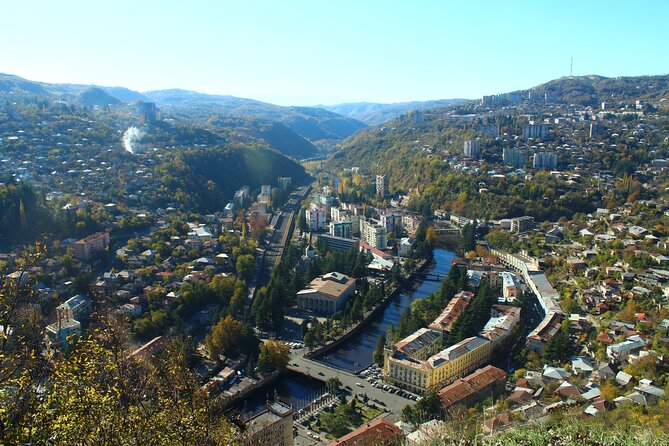
Batumi is listed for only one minute, which is not enough to experience the city. Batumi has a Black Sea promenade, beaches, modern buildings, an old town, restaurants, museums, theaters, and galleries. If the intention is simply to pass through on the way to lodging, that should be made clear. If you want a real visit, request additional time.
Day 7: Canyons, caves, and Kutaisi
The Shekvetili Dendrological Park is assigned two minutes, an obvious sign that the schedule needs clarification. The park covers more than 100 hectares and contains plants from around the world, paths, ponds, gazebos, and viewpoints. It cannot be meaningfully seen in two minutes.
Martvili Canyon is a more practical one-hour stop. Turquoise water, cliffs, greenery, waterfalls, and a boat ride through the gorge make this a fine nature visit. Ask if the boat ride is included in the listed admission or requires a separate payment, since the available information does not spell that out.
Prometheus Cave takes you underground among stalactites, stalagmites, rivers, and illuminated chambers. The one-hour visit offers a strong contrast with the open-air canyons. The lighting creates a dramatic effect, though you may prefer the cave’s natural shapes to the colored presentation.
Bagrati Cathedral overlooks Kutaisi from a hill and combines Georgian and Byzantine design. The 11th-century building has endured major damage and restoration, so the visit also raises questions about how historic sites are repaired. Thirty minutes is enough for the cathedral and city view.
An hour in Kutaisi gives you a taste of Georgia’s second-largest city, with cafés, markets, shops, and local food. It is not enough for every museum or nearby sight, but it breaks up the rural route and gives you a sense of city life outside Tbilisi.
Day 8: Gelati, Motsameta, and the industrial past
Gelati Monastery was founded in the 12th century by King David the Builder. Its churches, academy, and painted interiors reflect Georgia’s long religious and educational tradition. The listed timing of one minute is not realistic for a meaningful visit, so confirm whether this is a data error or merely a brief drive-by.
Motsameta Monastery sits on a rocky cliff above the Rioni River. Its name refers to martyrs, and the church has colorful frescoes and a quiet setting. Thirty minutes is short but workable for a focused visit.
Katskhi Pillar is one of Georgia’s most unusual sights. A limestone column rises about 40 meters and supports a small medieval monastery. You should not assume that climbing to the top is part of the tour. The description refers to a narrow ladder, but the schedule only promises a 40-minute stop, so ask what access is available.
Chiatura brings you into a former mining town known for its Soviet-era cable cars, once used to move miners and goods across steep valleys. The old rope roads are a memorable sight, though their operating condition is not given. Do not count on riding one unless the operator confirms it.
Mgvimevi Monastery is carved into limestone cliffs and includes caves, chapels, and religious objects. Its remote setting offers a quiet finish, but the day still contains several scattered sites. The tour then ends in Tbilisi, though the exact return time and transport plan are not provided.
The guide and the feel of private travel
The strongest personal detail attached to this tour is guide Irakli. He is repeatedly praised for warmth, careful driving, local suggestions, photo stops, and help from airport arrival through the end of the trip. One account names Harkley instead, so confirm your assigned guide before departure.
That matters because this itinerary is too broad to work well with a passive driver. You need someone who can explain church customs, put meals in context, handle long road days, and tell you when a stop deserves extra time. The private format also means your group can discuss preferences instead of following a fixed bus schedule.
You should still be realistic about the word private. Private does not turn a long route into a short one. Georgia’s roads, mountain routes, and remote sites require patience, and the most ambitious days may feel more like a road expedition than a gentle cultural holiday.
Who should book this tour?
I would recommend it to a couple, family, or small group that wants broad coverage in one trip and values a private guide over free time in each city. It suits people who enjoy monasteries, food, wine, mountain scenery, caves, and long scenic drives.
I would be cautious if you want a slow holiday, substantial hiking, nightlife in Batumi, or several full days in Tbilisi. The schedule also needs correction or clarification around Shatili, Batumi, Shekvetili, Gelati, and the final return to Tbilisi.
Free cancellation is available up to 24 hours before the start time for a full refund. Changes or cancellations inside that window are not refunded, and poor weather may lead to a new date or full refund. Most people can participate, pickup is offered, and the activity is for your group alone.
FAQ
How long is Georgian Essence: Cultural Immersion in a Week?
The tour lasts approximately eight days and ends with a return to Tbilisi.
How much does the tour cost?
The listed price is $2,200 per person.
Is this a private tour?
Yes. Only your group participates, with private transportation and personalized attention.
Are meals included?
Selected hotels, breakfasts, and lunches are included. The package specifically includes a family cooking class and lunch in Mtskheta. Dinners are not listed as included.
Is pickup available?
Yes, pickup is offered. The available information does not specify the exact pickup location or airport transfer arrangements, so confirm those details before booking.
What happens if the weather is poor?
The experience requires good weather. If it is canceled because of poor weather, you will be offered another date or a full refund. You can also cancel at least 24 hours before the start time for a full refund.
My booking recommendation
Book this tour if you want Georgia’s major cultural sights plus its food, wine, mountains, canyons, and remote religious sites in one private journey. The guide can make the difference, and Irakli’s reported strengths in driving, local knowledge, and flexibility are exactly what this route demands.
Before booking, ask for a day-by-day map, hotel list, overnight towns, driving hours, dinner arrangements, and confirmation of the very short stops. If those details are corrected and the pace suits you, $2,200 can be a fair price for a private introduction to Georgia. If you prefer time to linger, trim the route and spend more nights in fewer places.
Just added around Tbilisi
- Private Adorable City Tour of Tbilisi★ 5.0 · 3 reviews
- Old tbilisi walking tour & wine tasting★ 5.0 · 9 reviews
- Tbilisi Airport to Gudauri, Bakuriani, Batumi, Tbilisi★ 5.0 · 3 reviews
- Your unique photo session in Tblisi, Georgia★ 3.5 · 4 reviews
- full day Kazbegi-Gudauri-jvari -from Tbilisi★ 5.0 · 6 reviews
- Wine promenade in hospitable Tbilisi★ 5.0 · 17 reviews
- Vardzia. Lake Paravani, Khertvisi & Lomisa castle, Rabati★ 4.5 · 12 reviews
- Wine Tasting Tour in Georgia’s Cradle of Wine★ 5.0 · 12 reviews
7-Day Experiences, compared.
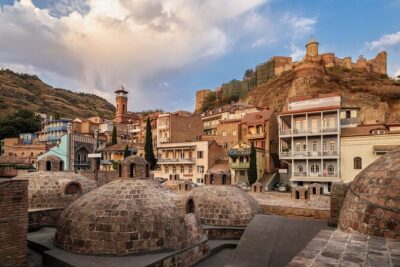
Private 7-Day Tours & Transfers from Tbilisi to Top Georgia Spots
Read our review →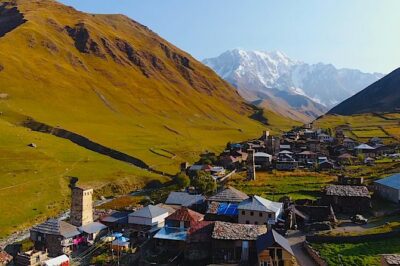
The Best of Georgia 7 Days Private Jeep Tour from Tbilisi
Read our review →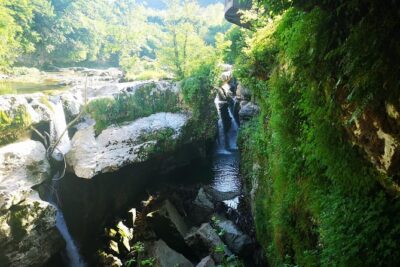
Amazing All inclusive Tour for 7 Days From Tbilisi
Read our review →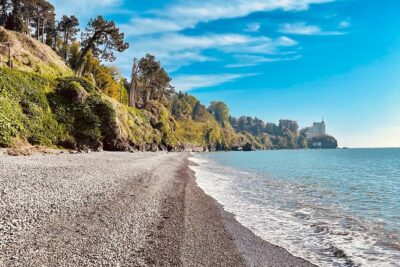
Georgia in 7 Days: A Haven for Nature and Sea Lovers
Read our review →
7-Day Georgian Wine and Culinary Private Tour with Cooking Class
Read our review →
7-day hiking expedition to Tusheti through the Atsunta pass
Read our review →Browse the lists this tour appears in