
Reviewed · MTSKHETA & JVARI TOURS
Full Day Tour of Tbilisi and Mtskheta
Mtskheta gives this tour its strongest hook: from hilltop Jvari Monastery, you look down on Georgia’s ancient capital and the meeting point of the Aragvi and Mtkvari rivers. I like that the day pairs those quiet, sacred places with Tbilisi’s sulfur baths, narrow old streets, and fortress views. You get both Georgia’s religious heart and its modern capital without arranging separate transport.
I also like the practical format: an English-speaking guide and driver, bottled water, and the cable car to Narikala are included. Guides such as Tamara, Anna, Eka, and Maia have been praised for clear history, humor, and personal help on steep sections. The main drawback is the price, $158 per person, and the long schedule can feel full, especially if church services change the order.
In This Review
- Key points to know before booking
- Why this route works for a first day in Georgia
- Jvari Monastery and the view over Mtskheta
- Svetitskhoveli Cathedral and Georgia’s sacred center
- Walking through Mtskheta’s old town
- Samtavro Church, a quieter Mtskheta stop
- Returning to Tbilisi by cable car and fortress
- Abanotubani and the story behind Tbilisi
- Meidan Bazaar, Shardeni, and old-city atmosphere
- Metekhi Cathedral and the final city view
- Guides, transport, and the human side of the day
- Is $158 per person a fair price?
- Practical advice for a smoother day
- Should you book the Tbilisi and Mtskheta tour?
- FAQ
- How long does the tour last?
- Where does the tour start?
- Does the tour return to the starting point?
- What is included in the price?
- Are meals included?
- Can I enter every church on the route?
- Is there a minimum number of people required?
- What happens if I need to cancel?
Key points to know before booking
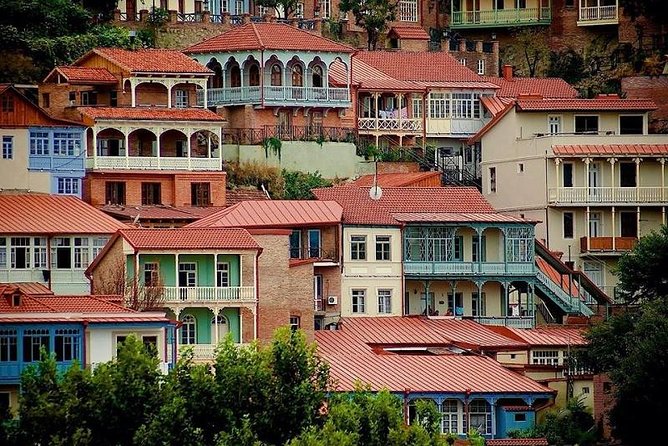
- Two capitals in one day: See Mtskheta, Georgia’s ancient capital, then return to Tbilisi for its best-known old-city sights.
- Jvari delivers the big view: The sixth-century monastery looks across Mtskheta and the meeting point of two rivers.
- Church access depends on timing: Services on Sunday mornings, Saturday evenings, and religious holidays can prevent entry.
- Narikala uses the aerial cable car: The ride is included, though temporary closures can lead to a changed plan.
- Several guides have earned strong praise: Tamara, Anna, Eka, and Maia are noted for English, humor, historical insight, and helpfulness on hills.
- Check the minimum booking rule: The details give both a minimum of two people and a minimum of six, so confirm the current requirement before paying.
Why this route works for a first day in Georgia
This is a useful orientation tour because Tbilisi and Mtskheta tell different parts of the Georgian story. Mtskheta was the ancient capital and remains one of the country’s most important religious centers. Tbilisi is the larger, more layered city, with fortress ruins, bathhouses, churches, markets, cafes, and streets shaped by many eras.
The day begins at 10:00 am near the Giant Bicycle monument at Rose Revolution Square. From there, you travel toward Mtskheta with a guide and driver rather than trying to fit the two places together by public transport. That matters because the route includes hilltop Jvari, several churches, and multiple old-city districts.
The advertised duration is about 7 hours and 40 minutes. That is enough time for a useful overview, but not enough for long museum visits, a leisurely meal, or unplanned wandering at every stop. I would treat this as a strong first look at both cities, not a slow cultural walk.
More mtskheta & jvari tours in Tbilisi:
- Day Trip to Mtskheta Gori and Uplistsikhe
★ 5.0 · 1,801 reviews - Tbilisi:Mtskheta,Jvari,Bazaar,wine tasting,Chronicles of Georgia
★ 5.0 · 730 reviews - Mtskheta-Gori-Uplistsikhe
★ 5.0 · 112 reviews
Jvari Monastery and the view over Mtskheta
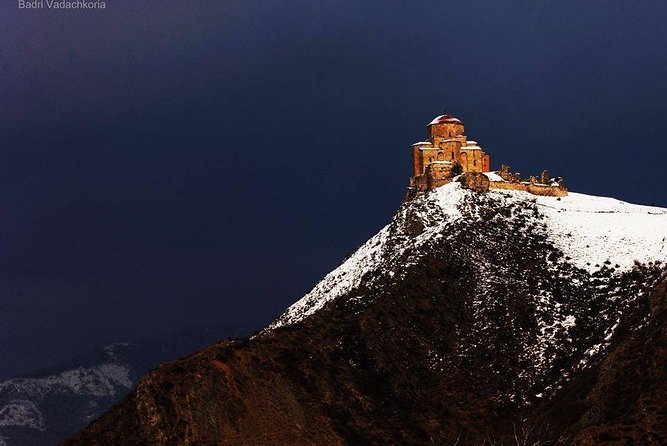
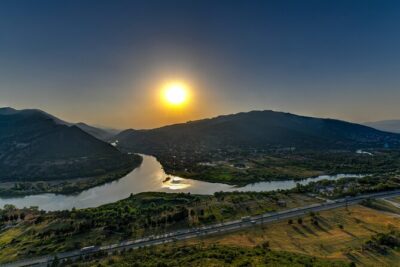
Your first major stop is Jvari Church, a sixth-century monastery perched above Mtskheta. The setting does much of the work. From the hill, you can see the town below and the Aragvi flowing toward the Mtkvari, a broad view that explains why this site mattered long before modern roads brought visitors here.
The monastery is especially valuable with a guide because the building itself is compact. Without context, you may spend a few minutes looking at stone walls and the view, then wonder what made the place so important. A good guide can connect the church to Georgia’s early Christian tradition and explain how the hill relates to the ancient capital below.
Plan for about an hour here. Wear shoes with a steady sole, since the day includes uneven ground and hills. The tour information lists admission as free, so you are paying for the transport and guiding rather than a separate ticket.
The main weakness is weather. Jvari is exposed, and cloudy or wet conditions can reduce the view. The tour runs in all weather, so bring a layer and dress for the forecast. Clear weather can make this the photographic high point of the day.
Svetitskhoveli Cathedral and Georgia’s sacred center
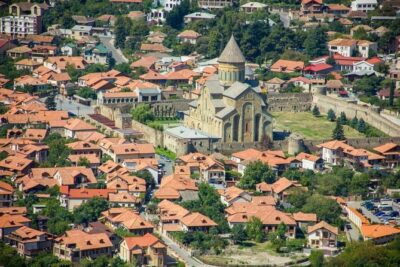
After Jvari, the vehicle goes down into Mtskheta for Svetitskhoveli Cathedral. This is one of Georgia’s most important churches, and local tradition says that Christ’s robe is preserved here. The claim is part of the site’s religious meaning, not simply a tourist anecdote, so respectful clothing and behavior are appropriate.
You have about an hour at the cathedral. The guide’s role is useful here, since the importance of Svetitskhoveli can be easy to miss if you focus only on its exterior. Listen for the details about its place in Georgian Christianity and the traditions connected with the church.
Church access comes with a firm timing warning. Entry is prohibited during services, including Sunday mornings, Saturday evenings, and religious holidays. If your date falls at one of those times, the guide may begin in Tbilisi and visit Mtskheta later. That is a sensible adjustment, but it means the order you expect may change.
One past participant was disappointed by being unable to enter on a Sunday. The practical lesson is simple: do not assume a church visit means guaranteed interior access. If Svetitskhoveli is a priority, ask about your date before booking.
Walking through Mtskheta’s old town
The City-Museum Reserve of Mtskheta gives you time on foot after the formal church visits. This is the part of the day where you can slow down, look at the town’s historic streets, and see how close the major religious sites are to everyday shops and cafes.
The scheduled walk lasts about an hour. A stop at a local wine shop is included in the plan, with Georgian wines available to buy. Alcohol is not included in the tour price, and the minimum drinking age is 18. You do not need to purchase anything, but this is a handy introduction to Georgia’s strong wine culture.
I like this stop because it adds an ordinary, local note to a day otherwise filled with major monuments. Still, keep your expectations realistic. This is not a dedicated wine tasting, and meals are not included. If you want lunch, budget for it separately and ask the guide how much time is available.
A few more Tbilisi trips to weigh up
- Kutaisi Canyons and Caves from Tbilisi Full Day Tour
★ 5.0 · 448 reviews - Kazbegi and Gudauri Full Day Private Tour from Tbilisi
★ 5.0 · 447 reviews - Full Day Private Wine Tour in Kakheti Region with Lunch and 3 Wine Tastings
★ 5.0 · 207 reviews - Kazbegi Full-Day Private Tour with Scenic Stops from Tbilisi
★ 5.0 · 125 reviews
Samtavro Church, a quieter Mtskheta stop
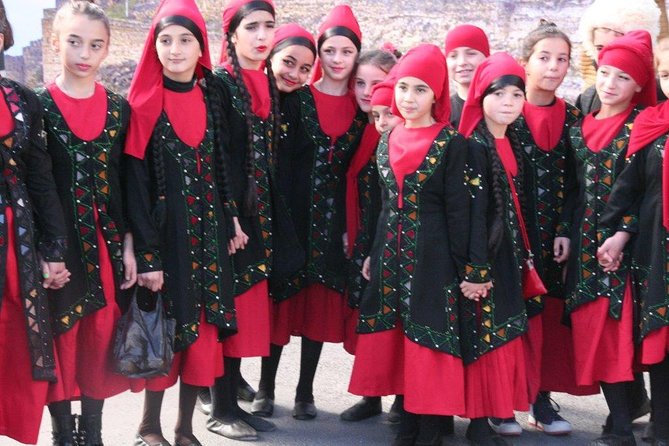
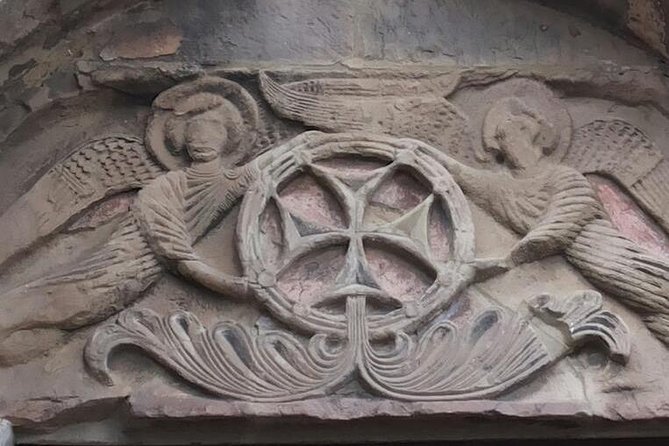
Samtavro Monastery is scheduled for about 40 minutes in Mtskheta’s historic area. Compared with the grander Svetitskhoveli Cathedral, it can feel like a smaller, calmer stop, giving the religious story another setting.
The short visit works well in a packed itinerary. You get another important medieval church without giving up the afternoon in Tbilisi. The tradeoff is that 40 minutes does not allow much time for a slow look, extended prayer, or independent exploration.
As with the other churches, services can affect access. The tour can change the sequence, but religious observances may still limit what you see inside. Dress appropriately for places of worship, and follow the guide’s instructions.
Returning to Tbilisi by cable car and fortress
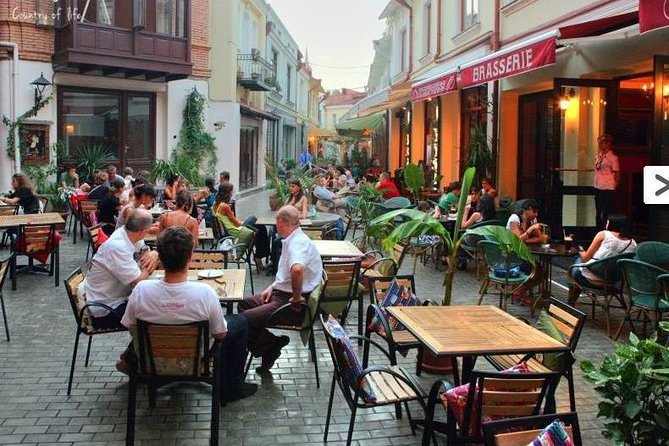
Back in Tbilisi, the route turns to Narikala Fortress. The plan calls for the aerial cable car up to the fourth-century fortress, and the ticket is included. This is one of the most efficient ways to gain a view over the old city without spending a long time climbing.
At Narikala, expect ruins, open views, and a chance to understand Tbilisi’s layout from above. The fortress is not a polished palace. Its appeal comes from the walls, the high position, and the way it frames the old city and the Mtkvari River.
The scheduled stop is about an hour, including the ride and exploration. Cable cars can occasionally be out of service. On one tour, the guide substituted a trip on the city funicular, which still provided a strong city view. That is a good sign of practical guiding, but you should understand that the exact transport may depend on operating conditions.
From Narikala, the route continues downhill toward the sulfur bath district, Legtakhevi, Meidan Square, and Shardeni Street. Wear comfortable shoes, since this section combines a ride, fortress walking, and a descent through old Tbilisi.
Abanotubani and the story behind Tbilisi
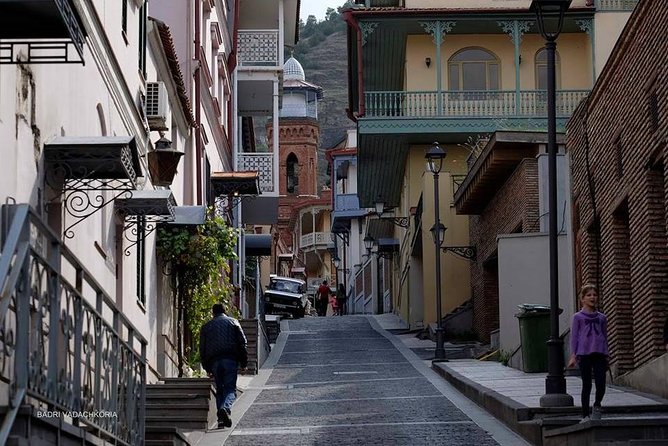
Abanotubani is Tbilisi’s historic sulfur-bath district, located on the eastern bank of the Mtkvari below Narikala. The domed bathhouses are tied to the city’s founding story. According to legend, King Vakhtang Gorgasali’s falcon fell near the hot springs, leading to their discovery and the decision to establish a capital here.
The stop lasts about an hour. You will see the bath district and learn why hot water is so central to Tbilisi’s name and identity. The tour does not include a bath session, so do not expect time for bathing unless you arrange that separately.
The nearby Legtakhevi area adds a pleasant change of pace. After the stone lanes and religious sites, a walk toward the small waterfall brings you into a narrow natural pocket within the old city. This is one of the more memorable parts of the Tbilisi section because it links the city’s built history with water and rock.
Meidan Bazaar, Shardeni, and old-city atmosphere
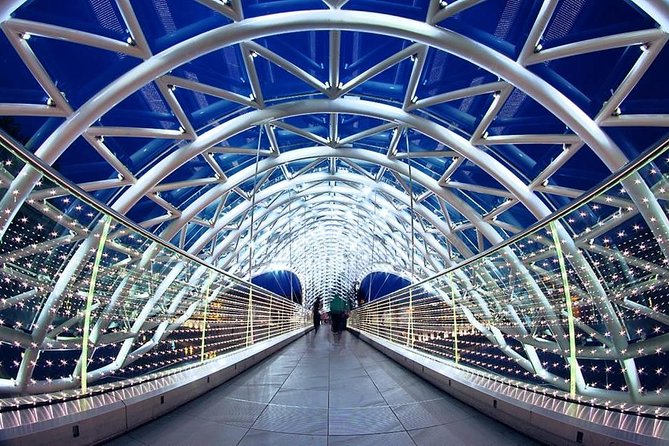
After Abanotubani and Legtakhevi, you continue to Meidan Square and the nearby Shardeni, Cotton Row, and Iron Row areas. You will find souvenir shops, art galleries, cafes, and places to browse Georgian crafts.
This section is less about one monument and more about getting a feel for central Tbilisi. I would use the time to notice the contrast between the historic names of the streets and the modern businesses that now fill them. It is also a good place to identify something you may want to revisit later in your stay.
The downside is that shopping areas can take on a commercial feel. If you prefer quiet lanes and local neighborhoods, this may be less appealing than Mtskheta or the fortress. Still, it gives you a practical introduction to where many visitors spend their evenings.
Metekhi Cathedral and the final city view
The final listed stop is Metekhi Cathedral and the Metekhi plateau. The thirteenth-century church is one of Old Tbilisi’s key architectural monuments, and the plateau offers another useful view of the city.
This stop helps round out the day. From Narikala, you see Tbilisi from one high point. At Metekhi, you get another perspective across the river toward the old city and fortress area. The church also adds a final religious site after the Mtskheta stops, but in a distinctly urban setting.
About an hour is planned here before returning to the meeting point. The route can be adjusted when services or transport conditions require it, so keep your final evening plans flexible.
Guides, transport, and the human side of the day
The experience includes a professional guide and driver, transportation, bottled water, and entrance fees. That package matters because the day involves two destinations, a hilltop monastery, a cable car, and several separate Tbilisi districts.
The strongest personal touches in the supplied feedback center on the guides. Tamara was praised for helping an older mother manage the hills. Anna was described as funny, clear, and well informed, while Eka and the driver were noted for strong English and useful insight into Georgian culture and history. Maia was remembered for combining humor with explanations of religion and the old town.
These are not promises that one particular guide will be assigned to you. They do show what to ask for when booking: an English-speaking guide who can explain religious sites clearly and adjust the pace for your group.
The tour is described both as a small-group experience and as a private activity for your own group. The booking details also conflict on the minimum size, listing two people in one place and six in another. Confirm this point with Georgian Holidays before you commit, especially if you are booking as a couple or a small family.
Is $158 per person a fair price?
At $158 per person, this is not the cheapest way to see Tbilisi and Mtskheta. The value depends on how much you want done in one day and how much you value private transport and guiding.
You are paying for roughly eight hours, a driver, an English-speaking guide, bottled water, the Narikala cable-car ticket, and entrance fees. You also avoid the work of piecing together transport between Tbilisi and Mtskheta and coordinating several churches and viewpoints.
Meals are not included, and alcohol costs extra. Some past outings included an excellent Georgian lunch as an added touch, but you should not treat that as guaranteed. Ask before departure and carry a separate food budget.
I think the price makes the most sense for first-time visitors with limited time, families who want door-to-door transport, and anyone who prefers historical explanation to independent sightseeing. It is harder to justify if you are staying several days, enjoy public transport, and are happy to visit Tbilisi and Mtskheta separately.
Practical advice for a smoother day
Meet at the Giant Bicycle monument near Rose Revolution Square at 10:00 am. The tour ends back at the same meeting point, which makes it easy to plan your evening, though I would avoid booking a tight dinner reservation immediately afterward.
Wear comfortable shoes and clothing suitable for churches. Expect hills, fortress ruins, old paving, and walking between several areas. Since the tour operates in all weather, bring rain protection or a warmer layer when the forecast calls for it.
If you are traveling with an older parent or anyone who finds hills difficult, tell the guide at the start. The itinerary includes several walking sections, but guides have shown a willingness to help and adjust.
The tour is near public transportation, and most people can participate. It is not presented as wheelchair accessible, so anyone with mobility concerns should ask the operator for current details before booking.
Free cancellation is available up to 24 hours before the start time for a full refund. Changes or cancellations inside that window are not accepted, and the activity may be canceled if its minimum number is not met.
Should you book the Tbilisi and Mtskheta tour?
Book it if you want a single, well-organized day covering Georgia’s ancient capital, its current capital, major churches, a fortress, a cable-car ride, and the sulfur-bath district. The guides appear to add real value, especially when explaining religious customs and helping with the hills.
Think twice if you want long meals, extended wine tasting, or hours of independent wandering. The $158 price is reasonable for private transport and a full route, but it is high for anyone who prefers to move slowly or arrange inexpensive local transport.
Before paying, confirm the group-size rule, ask who is guiding your date, check church-service timing, and ask whether lunch is part of your specific departure. If those details suit you, this is an efficient and well-rounded introduction to Tbilisi and Mtskheta.
FAQ
How long does the tour last?
The experience lasts approximately 7 hours and 40 minutes, beginning at 10:00 am and ending back at the meeting point.
Where does the tour start?
It starts near the Giant Bicycle monument at Rose Revolution Square in Tbilisi, Georgia.
Does the tour return to the starting point?
Yes. The activity ends back at the meeting point.
What is included in the price?
The price includes a professional guide and driver, transportation, bottled water, and entrance fees. The Narikala cable-car admission is included.
Are meals included?
No. Meals are not included. Alcoholic drinks are also excluded, though they can be purchased.
Can I enter every church on the route?
Entry may be prohibited during church services, including Sunday mornings, Saturday evenings, and religious holidays. The guide may change the order of the tour when services affect access.
Is there a minimum number of people required?
The supplied booking details give conflicting minimums, listing both two people and six people per booking. Confirm the current requirement with Georgian Holidays before booking.
What happens if I need to cancel?
You can cancel up to 24 hours before the experience for a full refund. Cancellations or changes made less than 24 hours before the start time are not accepted for a refund.
Just added around Tbilisi
- Private Adorable City Tour of Tbilisi★ 5.0 · 3 reviews
- Old tbilisi walking tour & wine tasting★ 5.0 · 9 reviews
- Tbilisi Airport to Gudauri, Bakuriani, Batumi, Tbilisi★ 5.0 · 3 reviews
- Your unique photo session in Tblisi, Georgia★ 3.5 · 4 reviews
- full day Kazbegi-Gudauri-jvari -from Tbilisi★ 5.0 · 6 reviews
- Wine promenade in hospitable Tbilisi★ 5.0 · 17 reviews
- Vardzia. Lake Paravani, Khertvisi & Lomisa castle, Rabati★ 4.5 · 12 reviews
- Wine Tasting Tour in Georgia’s Cradle of Wine★ 5.0 · 12 reviews
Mtskheta & Jvari Tours, compared.
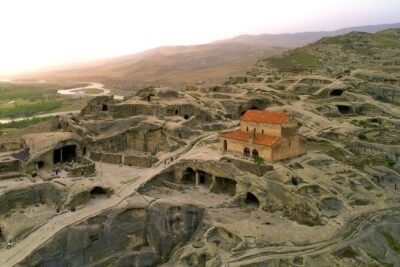
Mtskheta,Jvari,Bazaar,wine tasting,Chronicles of Georgia
Read our review →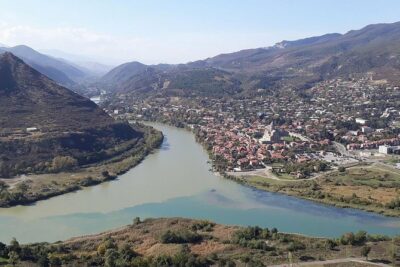
Mtskheta, Jvari, gori, uflistsikhe, history and panorama (group tours)
Read our review →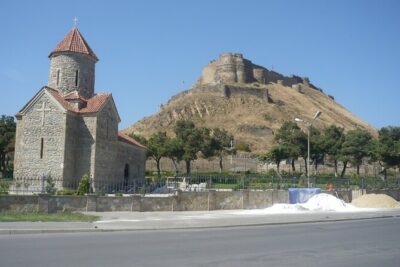
Ancient Georgia Group Tour: Mtskheta,Jvari, Gori, Uplistsikhe
Read our review →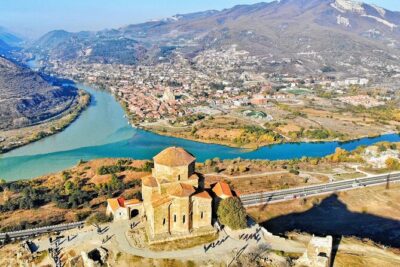
Ancient Mtskheta and Chronicle of Georgia half day tour
Read our review →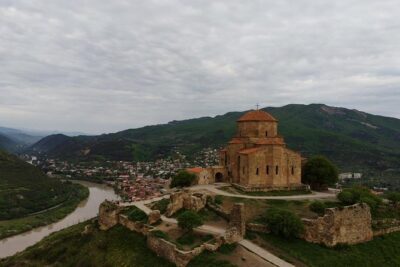
Private Day Trip to Gudauri and Kazbegi from Tbilisi via Jvari and Mtskheta
Read our review →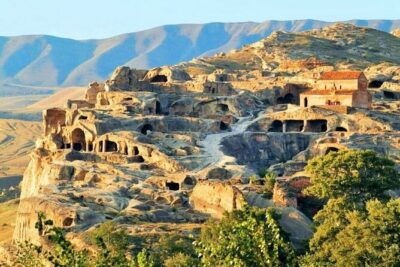
Browse the lists this tour appears in