
Reviewed · TBILISI TOURS
Cook True Ajarian Khachapuri and Khinkali in Highlanders Style
The best part of this Tbilisi cooking class is the setting: you may cook in a local host’s home, not behind a restaurant counter. Irina, Ella, and Tamara are associated with the classes, and the instruction is patient, practical, and friendly. I like the hands-on recipes and the chance to sit down with homemade wine and eat what you make.
I also like that the menu covers two Georgian staples in one short session: Ajarian khachapuri, the cheese-filled boat-shaped pie, and khinkali, the famous dumplings. The main consideration is that cheese and eggs are part of the cooking, and the class is not ideal if you want a broad menu or a long chef-training session.
In This Review
- Key points at a glance
- Why these two Georgian dishes make a smart first class
- Meeting at Chakandrila in central Tbilisi
- First task: shaping Ajarian khachapuri
- Second task: folding five to six khinkali
- Lunch with homemade wine
- The teaching style and language support
- What the $39 price really covers
- Dietary notes before you reserve
- Timing, booking, and cancellation
- Who should book this Tbilisi cooking class
- Should you book it?
- FAQ
- Where does the cooking class begin?
- How long does the experience last?
- What dishes will I make?
- How much food is included?
- Is wine included?
- Can I request vegetarian khinkali?
- What is the cancellation policy?
Key points at a glance
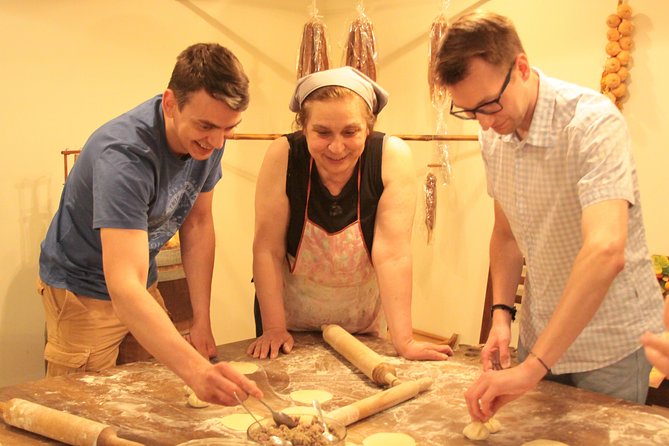
- Make two Georgian classics from scratch: Shape a cheese-filled Ajarian khachapuri and fold traditional khinkali dumplings.
- Learn in a home-style setting: The class takes place at the cozy Chakandrila workshop, with some sessions held in a host’s apartment.
- Get enough food for lunch: Each person receives one khachapuri and five to six khinkali.
- Take the skills home: Recipes and ingredient guidance are provided, so you can try the dishes again after Georgia.
- Choose a vegetarian filling: Meat-based dishes can be changed to vegetarian options, but cheese and eggs remain part of the cooking.
- Good value at $39: For two and a half hours of instruction, lunch, wine, and a cultural exchange, the price is fair.
Why these two Georgian dishes make a smart first class
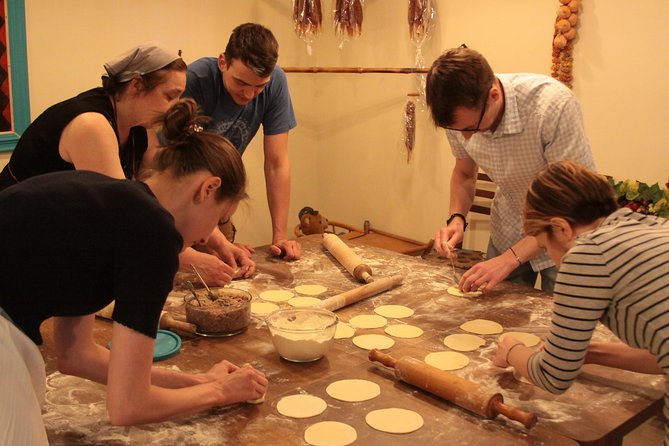
Georgian food can seem simple at first glance. Bread, cheese, dough, meat, herbs. Then you try making it and discover that the folds, textures, and timing matter.
This class gives you two dishes with very different personalities. Ajarian khachapuri is open, bold, and easy to recognize. The dough is shaped like a little boat, filled with cheese, and finished with egg and butter in the usual style. You get to see how a few basic ingredients become one of Georgia’s most famous comfort foods.
Khinkali takes more hand work. You fill rounds of dough, gather the edges, and create the pleated top that gives the dumpling its distinctive look. The goal is not perfect restaurant symmetry. The fun is in learning the technique and seeing your first dumplings take shape, even if they look a little lopsided.
The class is especially useful for you if Georgian food is new. Instead of ordering two dishes from a menu and moving on, you learn what goes into them and why they are prepared this way. That small bit of context makes your next khachapuri or khinkali meal more interesting.
Other Tbilisi days people book alongside this one:
- Day Trip to Kakheti Wine Region Including 9 Wine Tastings
★ 5.0 · 2,774 reviews - Highlights of Caucasus Mountains-Jinvali,Ananuri,Gudauri,Kazbegi(Group tour)
★ 5.0 · 2,682 reviews - Day Trip to Kazbegi and Gudauri
★ 5.0 · 2,009 reviews
Meeting at Chakandrila in central Tbilisi
The listed meeting point is Biblusi at number 8 Merab Kostava Street in Tbilisi. The location is near public transportation, which helps if you are staying outside the central area or do not want to work out a complicated taxi ride.
From there, the activity returns to the meeting point at the end. The class lasts about two hours and thirty minutes, so plan it as a substantial lunch or early dinner rather than a quick snack between sightseeing stops.
The setting is one of the main reasons to choose this experience. Chakandrila is described as a cozy cooking workshop, while class accounts also place the lesson in a private apartment. That home setting can make the experience feel personal and relaxed. You may find yourself cooking around a kitchen table, asking questions, taking notes, and chatting with the host rather than listening to a formal lecture.
There is one point worth checking when you book. The activity is advertised as private, with only your group participating. Yet some class arrangements have included other small groups, including people from different countries. If privacy matters to you, confirm the format before arrival. If you enjoy meeting people over food, a shared session may be a pleasant bonus.
First task: shaping Ajarian khachapuri
The khachapuri portion starts with the dough and the boat shape. You work with the prepared dough, learn how to form the edges, and build the open center that holds the cheese. One useful detail is that the dough may need a long rest in advance, so do not expect to prepare every stage from raw ingredients during the class.
That is not a flaw, but it sets the right expectation. This is a practical lesson in shaping, filling, and finishing the dish, not a full bakery course. You still take part in the important work and learn how the final result is assembled.
Ajarian khachapuri is usually served hot, with cheese, egg, and butter in the center. The class information confirms the use of cheese and eggs, so this is not a suitable choice for a dairy-free or egg-free diet. If you eat those ingredients, the dish makes a hearty first course and may fill you before the dumplings arrive.
You can expect the teacher to demonstrate the process, then let you try it yourself. Irina is often singled out for patient, clear instruction, including explanations in English and Russian when needed. That matters if you want to take notes or repeat the recipe at home.
Second task: folding five to six khinkali
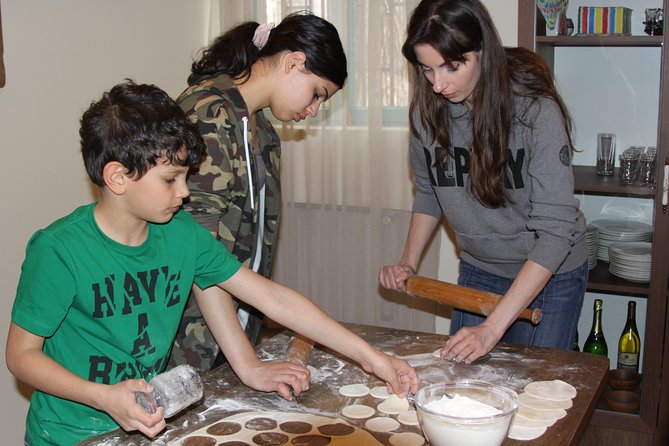
Khinkali is the more technical half of the lesson. The dumpling begins as a round of dough, receives a filling, and is gathered into folds at the top. You make five to six per person, enough to practice without turning the class into an all-day production line.
The usual filling is meat, but a vegetarian option can be requested. Ask for that in advance if possible, since the class information specifically notes that meat-based dishes can be switched to vegetarian versions. The cheese and eggs used in the cooking cannot be removed from the standard class setup.
The teacher’s role is important here. A patient instructor can show you how much filling to use and how to close the dumpling without tearing the dough. Several instructors are named in connection with the experience, including Irina, Ella, and Tamara. The exact host may vary, but the teaching style is described as warm, encouraging, and willing to correct mistakes without making you feel clumsy.
Khinkali also gives you a better sense of Georgian food culture than simply ordering a plate. The dumpling is both food and craft. You see how much labor goes into a dish that can arrive at a restaurant looking effortless.
Same mountains, a completely different kind of day:
- Day Trip to Mtskheta Gori and Uplistsikhe
★ 5.0 · 1,801 reviews - Tbilisi Walking Tour Including Cable Car and Traditional Bakery
★ 5.0 · 1,310 reviews - Day Trip to Armenia Including Homemade Lunch
★ 5.0 · 1,162 reviews - Kakheti Wine Region: Signagi and Bodbe Tour with 10 Wine Tastings
★ 5.0 · 1,019 reviews
Lunch with homemade wine
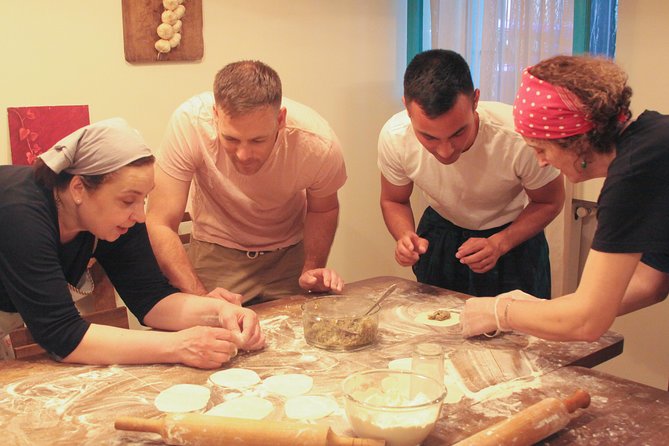
Once the cooking is finished, you eat the results together. Each person receives one Ajarian khachapuri and five to six khinkali, which is a full lunch for most people. You can also order other food and drinks from the menu for an additional charge, while snacks are not included.
A glass of homemade wine is included. Non-alcoholic drinks are also available in the setting, although the included item is listed as wine. If you do not drink alcohol, ask about the non-alcoholic choice when arranging the class.
The shared meal is more than a final reward. It gives you time to compare the results, ask questions, and hear stories about Georgian cooking and family traditions. Irina is described as sharing personal stories and explaining the background of the dishes. That personal exchange is a big part of the value here.
I would arrive hungry. The food is not a token tasting, and you are making enough to count as a proper meal. If you schedule the class after a large lunch, you may spend the final part politely trying to keep up with your own cooking.
The teaching style and language support
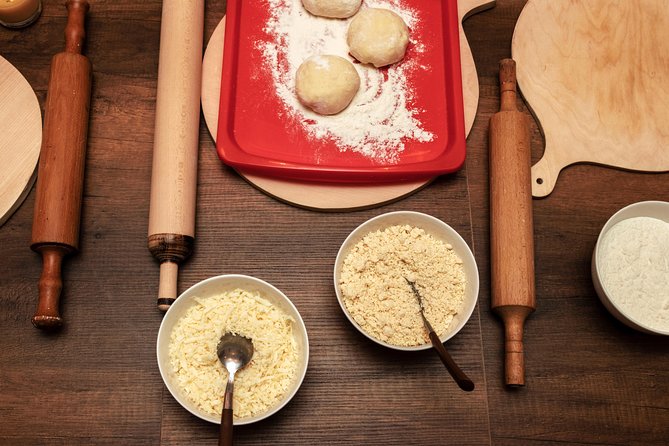
The strongest feature of this class is the host’s approach. The teachers are described as kind, humorous, and patient with beginners. That makes a real difference in a cooking class, especially when dough refuses to behave or your first khinkali resembles a small parcel instead of a neat Georgian dumpling.
English is offered, and Irina has explained the process in both English and Russian for mixed-language groups. You should still expect a relaxed home lesson rather than a highly polished culinary school presentation. That can mean a little less precision in timing, but it also allows more conversation and personal attention.
The class is a good match for couples, families, and small groups who want to do something together. It also suits solo participants who like meeting people around a table, though the private-tour description means you should confirm how your particular booking will be organized.
You are allowed to take pictures and videos, and recipes can be written down or shared afterward. This is valuable because dough hydration, filling amounts, and folding methods are hard to remember from a single demonstration.
What the $39 price really covers
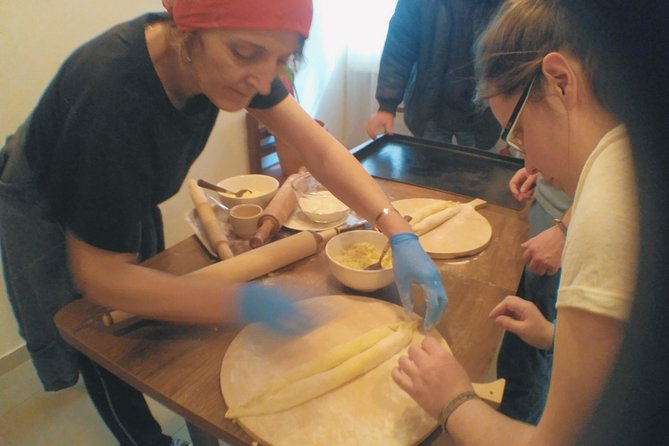
At $39 per person, the experience sits in a sensible range for Tbilisi. You are not paying only for lunch. The price covers about two and a half hours of instruction, hands-on preparation of two dishes, the meal itself, and a glass of homemade wine.
A restaurant meal could cost less, especially if you order one dish. But it would not teach you how to make either dish, and it would not give you time with a local cook in a home-style setting. A formal cooking school could cost more while feeling less personal.
The value is best for you if you care about food and cultural contact, not simply getting the cheapest meal. The included portions are generous enough to replace lunch, and the recipes give the experience a life beyond your time in Tbilisi.
There are limits. Extra drinks, snacks, and other menu items cost more. You also do not get a wide range of dishes. The menu is focused on khachapuri and khinkali, which is a strength if those are your priorities and a weakness if you want a full survey of Georgian cuisine.
Dietary notes before you reserve
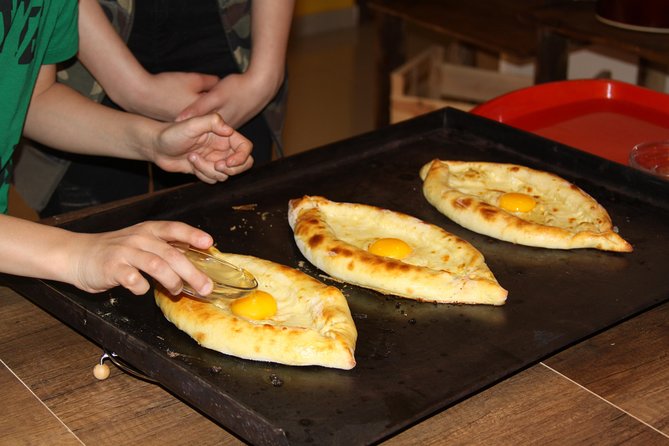
The class uses cheese and eggs. That makes it a poor fit for anyone avoiding dairy or eggs, and you should not assume that a vegetarian request removes every animal product.
The meat filling can be changed to a vegetarian option. Request this before the class or at booking so the host can prepare properly. The provided information does not specify the exact vegetarian filling, so ask what will be used if you have additional dietary restrictions.
There is no separate snack service included. You receive the prepared khachapuri and khinkali as lunch, with wine included. Additional food and drinks can be ordered from the menu.
Timing, booking, and cancellation
Confirmation arrives within 48 hours of booking, subject to availability. The activity is commonly reserved well ahead of time, with an average booking lead of 19 days, so I would not leave it until the last morning of your Tbilisi stay.
Mobile tickets make it easy to keep the booking on your phone. The meeting point is near public transportation, and the activity ends where it begins.
Free cancellation is available up to 24 hours before the local start time for a full refund. Cancellations or changes made less than 24 hours before the start are not accepted for a refund.
Who should book this Tbilisi cooking class
Book it if you want a warm, personal introduction to Georgian food and like learning by doing. It is especially good for first-time visitors who want an activity that connects food with local family life.
It also works well for people who are not confident cooks. The teachers are used to beginners, and the aim is to help you repeat the dishes at home, not to judge your folding technique.
Families should consider the cheese, eggs, and meat options before booking. The class can be a fun shared activity, but the cooking work may be less appealing to very young children who do not want to handle dough.
You may want a different experience if you prefer a large professional kitchen, a long menu, or advanced culinary instruction. This is a compact lesson centered on two dishes and the host’s personality.
Should you book it?
I would book this class if you want more than another restaurant meal in Tbilisi. The $39 fee buys a filling lunch, a glass of wine, useful recipes, and time with a local teacher who can make a beginner feel at ease.
The main checks are simple: confirm the private or shared format, request a vegetarian filling if needed, and allow enough time for a full meal. If khachapuri and khinkali are already on your must-eat list, learning to make them turns two famous dishes into lasting travel memories.
FAQ
Where does the cooking class begin?
The listed meeting point is Biblusi at 8 Merab Kostava Street in Tbilisi, Georgia.
How long does the experience last?
The class lasts approximately two hours and thirty minutes.
What dishes will I make?
You will make Ajarian khachapuri, a boat-shaped Georgian cheese pie, and khinkali, traditional Georgian dumplings.
How much food is included?
Each person receives one Ajarian khachapuri and five to six khinkali as lunch.
Is wine included?
Yes. A glass of homemade wine is included. Non-alcoholic drinks and additional menu items may be available at extra cost.
Can I request vegetarian khinkali?
Yes. Meat-based dishes can be switched to vegetarian options. Cheese and eggs are used in the cooking.
What is the cancellation policy?
You can cancel up to 24 hours before the local start time for a full refund. Cancellations or changes made less than 24 hours before the start are not accepted for a refund.
Just added around Tbilisi
- Private Adorable City Tour of Tbilisi★ 5.0 · 3 reviews
- Old tbilisi walking tour & wine tasting★ 5.0 · 9 reviews
- Tbilisi Airport to Gudauri, Bakuriani, Batumi, Tbilisi★ 5.0 · 3 reviews
- Your unique photo session in Tblisi, Georgia★ 3.5 · 4 reviews
- full day Kazbegi-Gudauri-jvari -from Tbilisi★ 5.0 · 6 reviews
- Wine promenade in hospitable Tbilisi★ 5.0 · 17 reviews
- Vardzia. Lake Paravani, Khertvisi & Lomisa castle, Rabati★ 4.5 · 12 reviews
- Wine Tasting Tour in Georgia’s Cradle of Wine★ 5.0 · 12 reviews
Tbilisi Tours, compared.
Day Trip to Kakheti Wine Region Including 9 Wine Tastings
Read our review →
Highlights of Caucasus Mountains-Jinvali,Ananuri,Gudauri,Kazbegi(Group tour)
Read our review →

Tbilisi Walking Tour Including Cable Car and Traditional Bakery
Read our review →

Kakheti Wine Region: Signagi and Bodbe Tour with 10 Wine Tastings
Read our review →